Compounds for mitochondrial and metabolic research
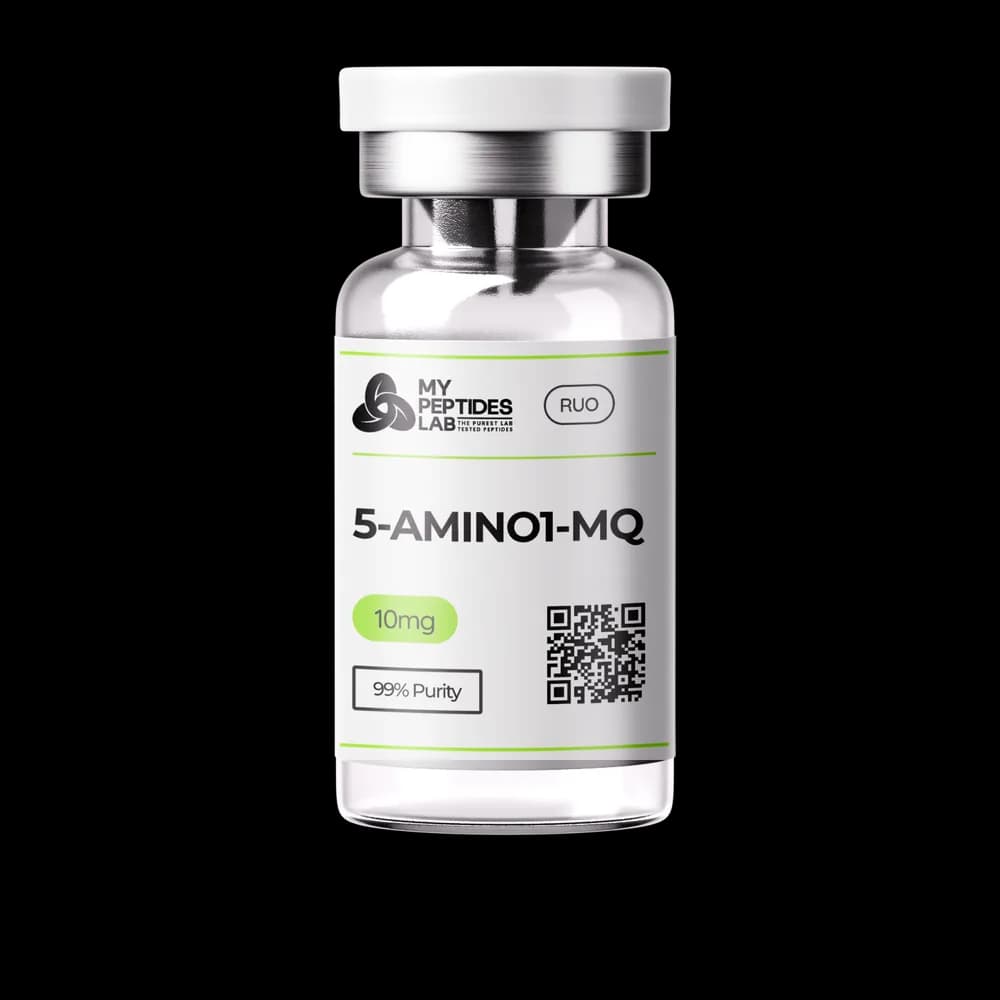
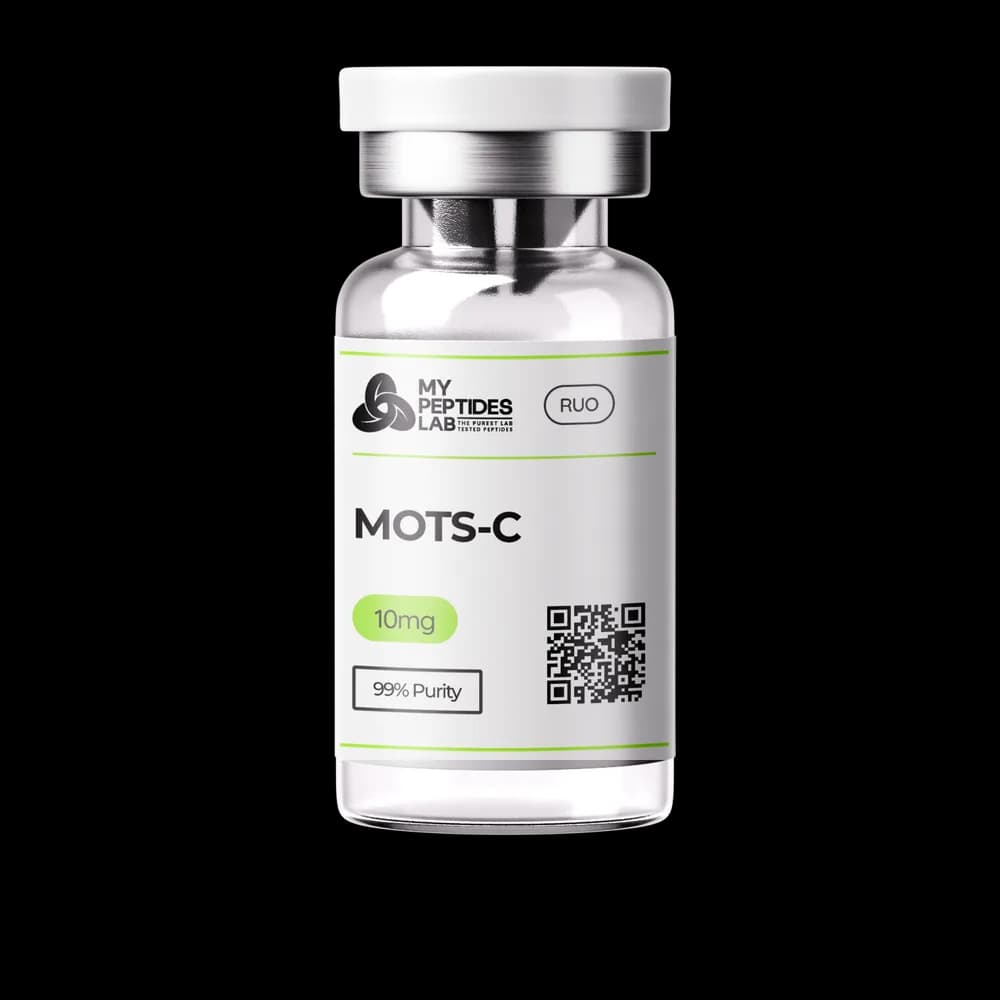
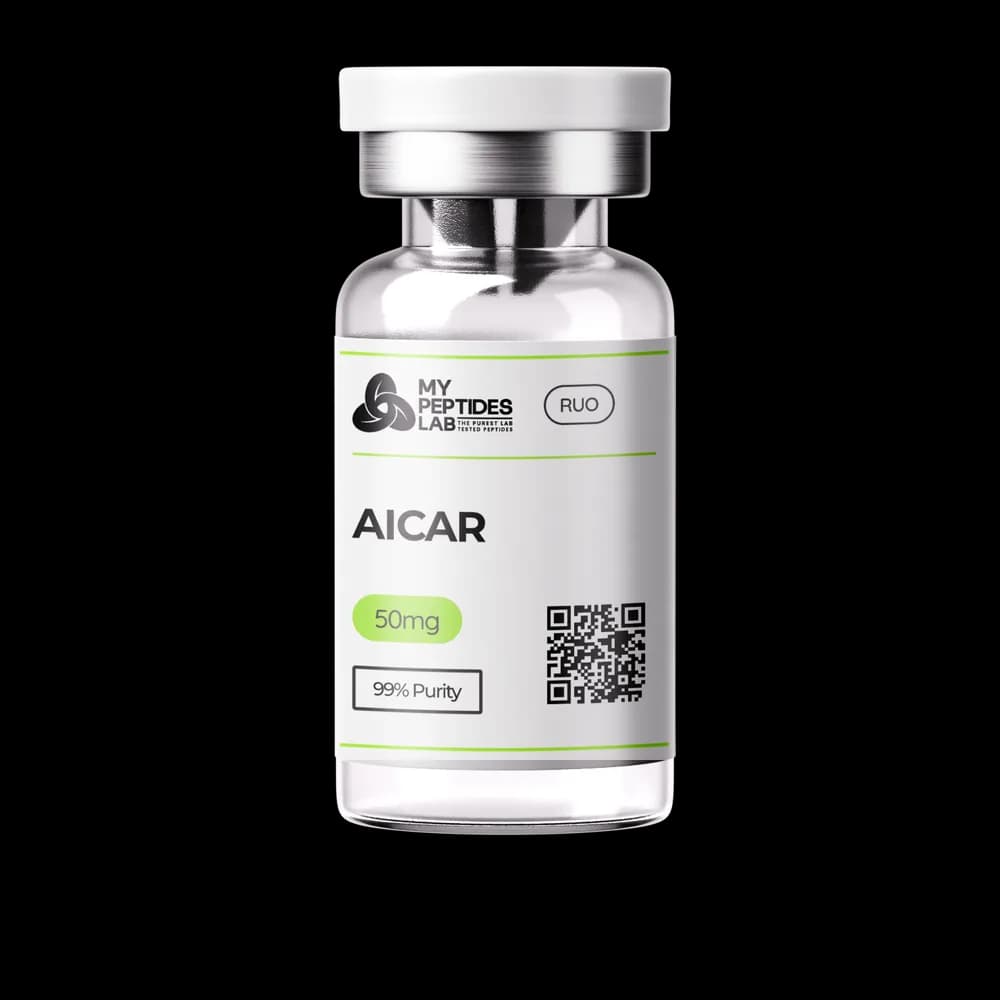
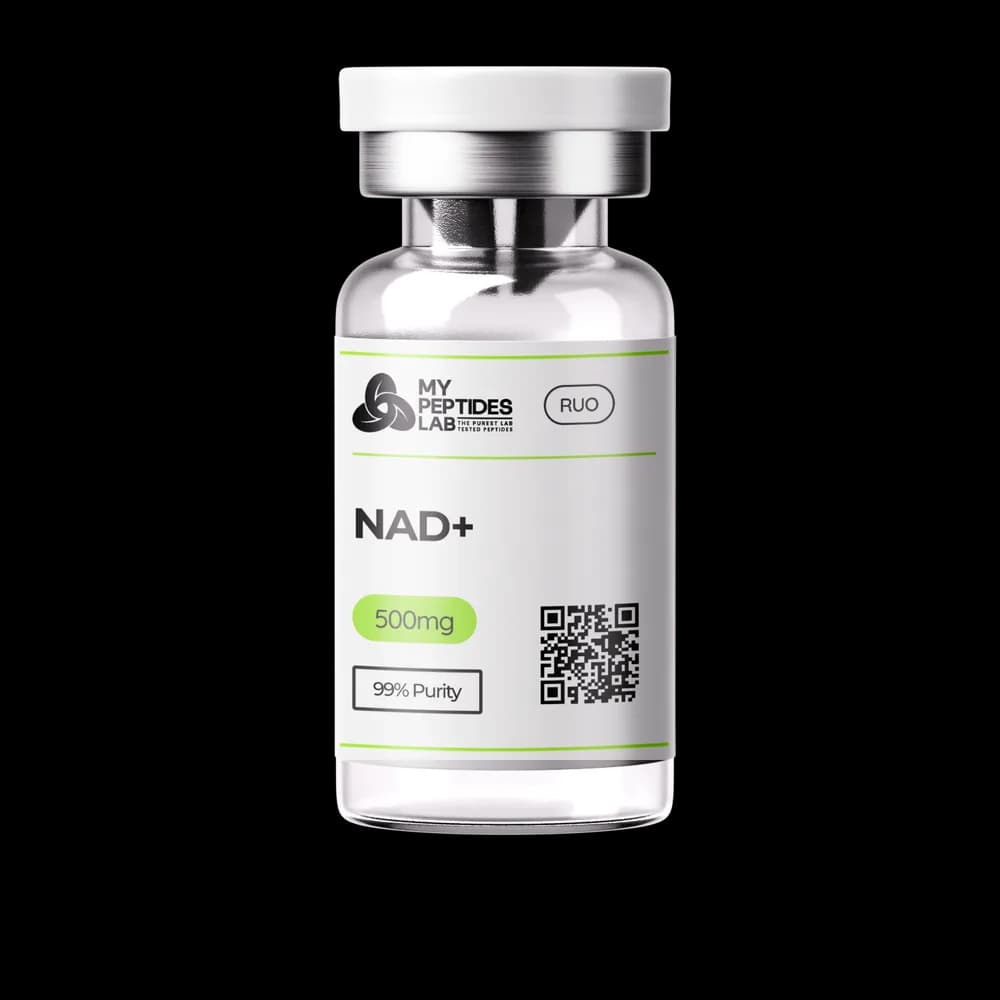
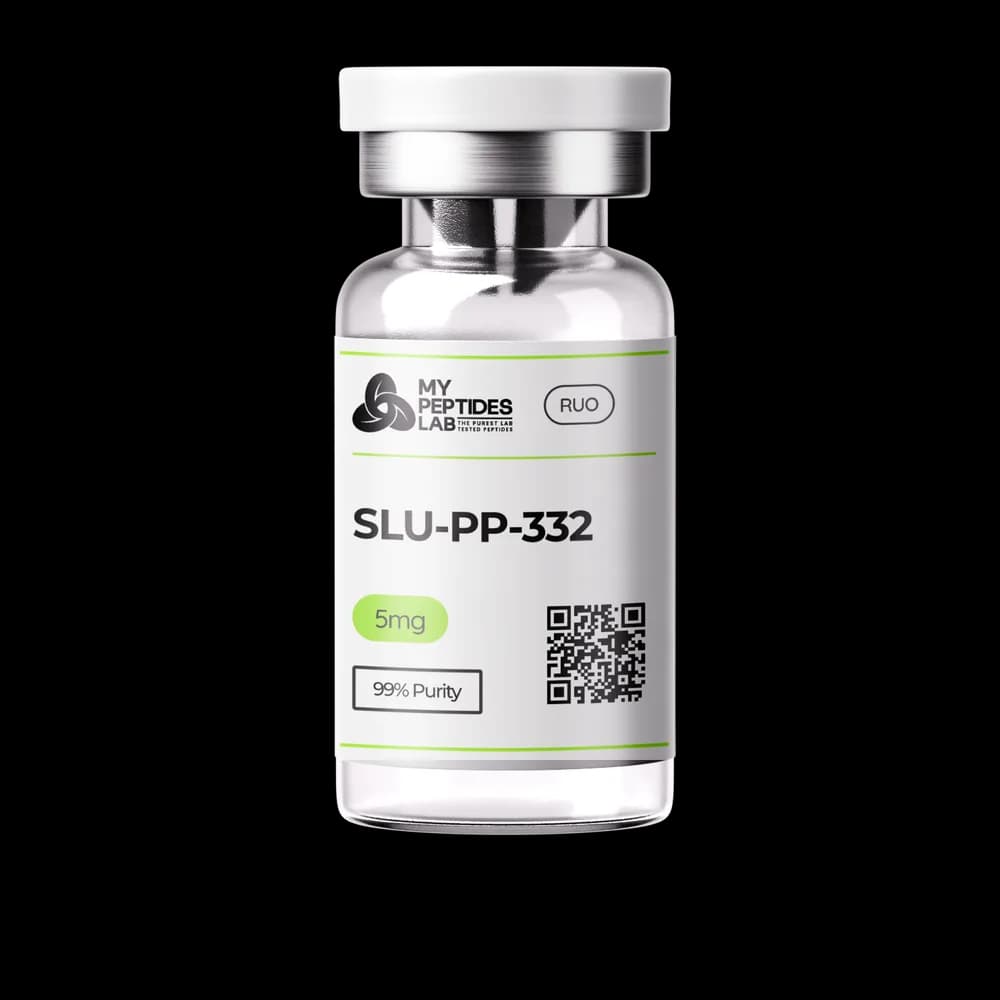
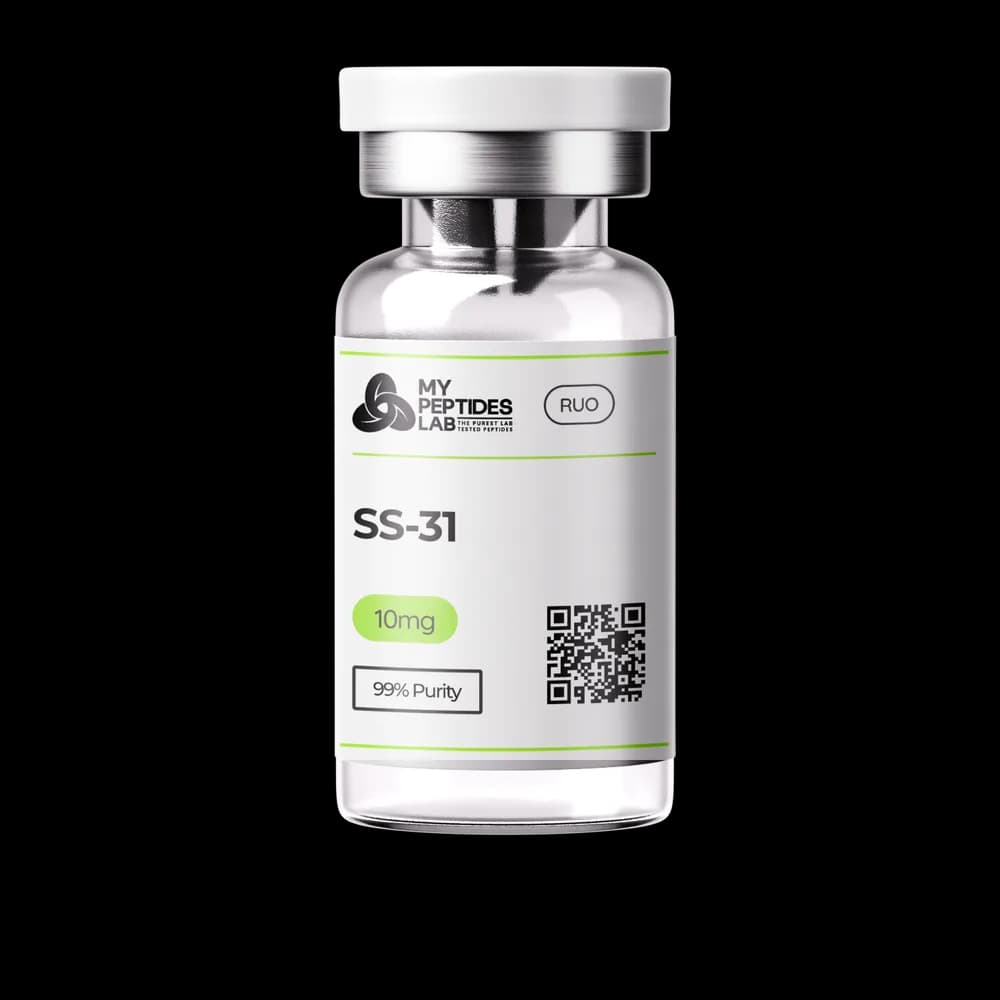
The cellular energy collection holds the peptides and small molecules used to study how cells produce and regulate energy. It includes the mitochondrial peptides MOTS-c and SS-31, the coenzyme NAD+, and the small molecules 5-Amino-1MQ, AICAR and SLU-PP-332. All are supplied for laboratory research use only. Stock of individual compounds varies, and current availability is shown on each product. Several of these compounds are small molecules rather than peptides, and each product page states which.
Mitochondrial peptides: MOTS-c and SS-31
MOTS-c is a 16-amino-acid peptide encoded within the mitochondrial genome, one of a small group of mitochondrial-derived peptides. It is studied for its role in metabolic regulation and AMPK signalling in cell and animal models. SS-31 is a synthetic tetrapeptide that concentrates in the inner mitochondrial membrane, where it binds the phospholipid cardiolipin, and is researched in models of mitochondrial dysfunction and oxidative stress. The two are complementary rather than interchangeable: MOTS-c is studied as a signalling molecule that can move from the mitochondria to the nucleus under metabolic stress, while SS-31 is studied as a protective agent for the inner membrane, where energy production takes place.
NAD+, 5-Amino-1MQ, AICAR and SLU-PP-332
NAD+ (nicotinamide adenine dinucleotide) is a coenzyme central to cellular redox reactions and a substrate for the sirtuin and PARP enzymes, which makes it a staple of ageing and metabolism research. 5-Amino-1MQ is a small-molecule inhibitor of nicotinamide N-methyltransferase (NNMT), studied in fat and muscle cell models. AICAR is a cell-permeable AMP analogue used to activate AMPK experimentally, and SLU-PP-332 is an agonist of the estrogen-related receptors, studied in models of exercise metabolism.
Quality control and delivery
Batches are tested by Janoshik, an independent laboratory, and published reports are listed on our Lab Results page with batch numbers you can verify. Keep vials cold, dry and protected from light, and refrigerate solutions after reconstitution.
Orders leave the Netherlands within 24 hours of payment from Monday to Saturday, and shipping is free over €150. All compounds are for in-vitro research only and are not intended for human consumption.