Free shipping over €150European-quality peptides≤24h dispatchCOA on every batchThird-party tested

Collection

Recovery Research Peptides

12 products

BPC-157, TB-500, KPV, LL-37 and copper peptides for in-vitro research on tissue repair and inflammation.

12 products

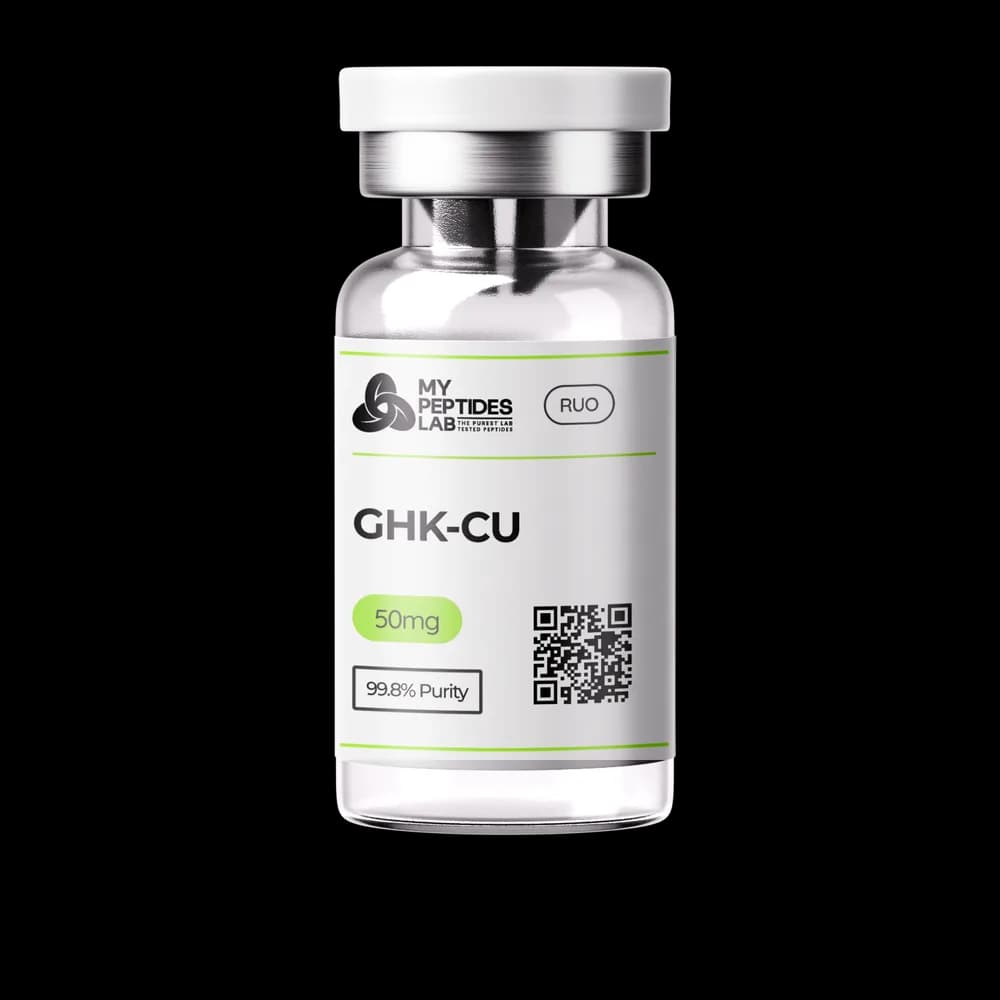
GHK-Cu
CosmeticRecovery
GHK-Cu
From €39,99
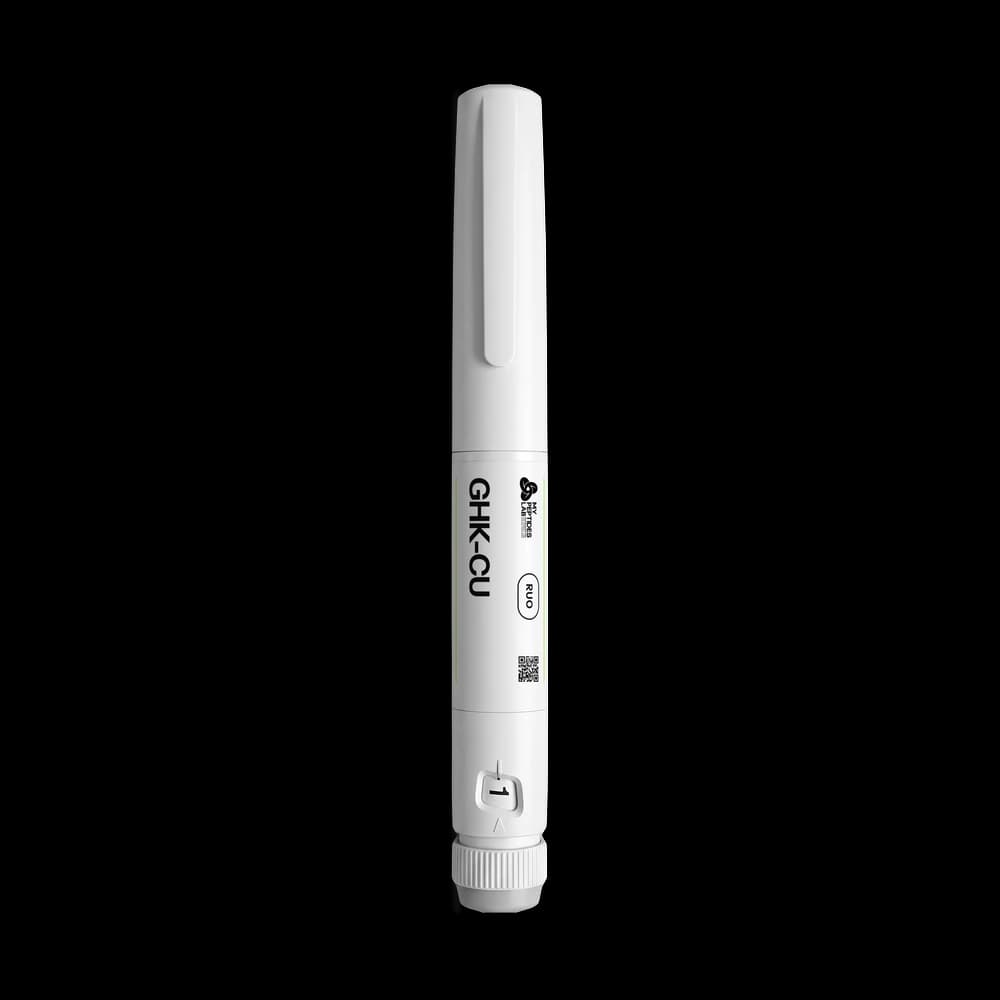
GHK-Cu Pen
CosmeticRecovery
GHK-Cu Pen
From €120,00
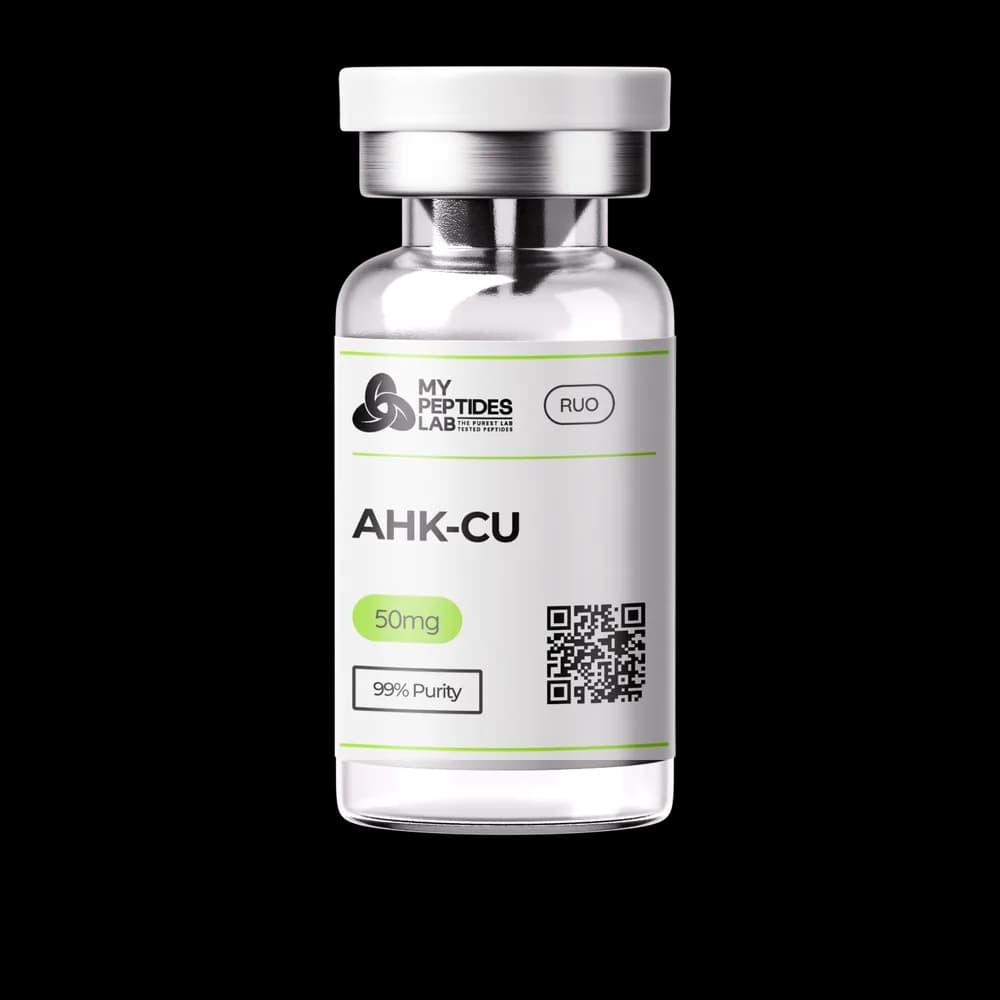
AHK-Cu
CosmeticRecovery
AHK-Cu
€59,99
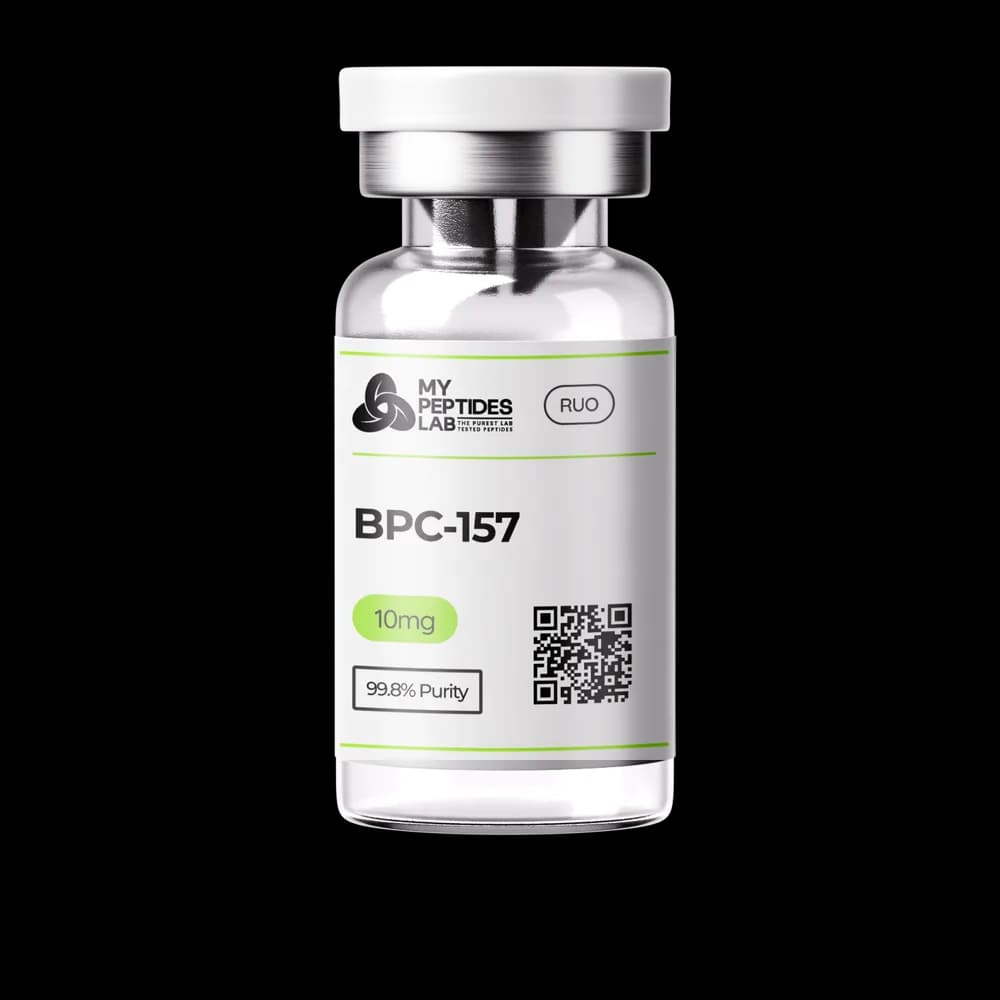
BPC-157
Recovery
BPC-157
€39,99
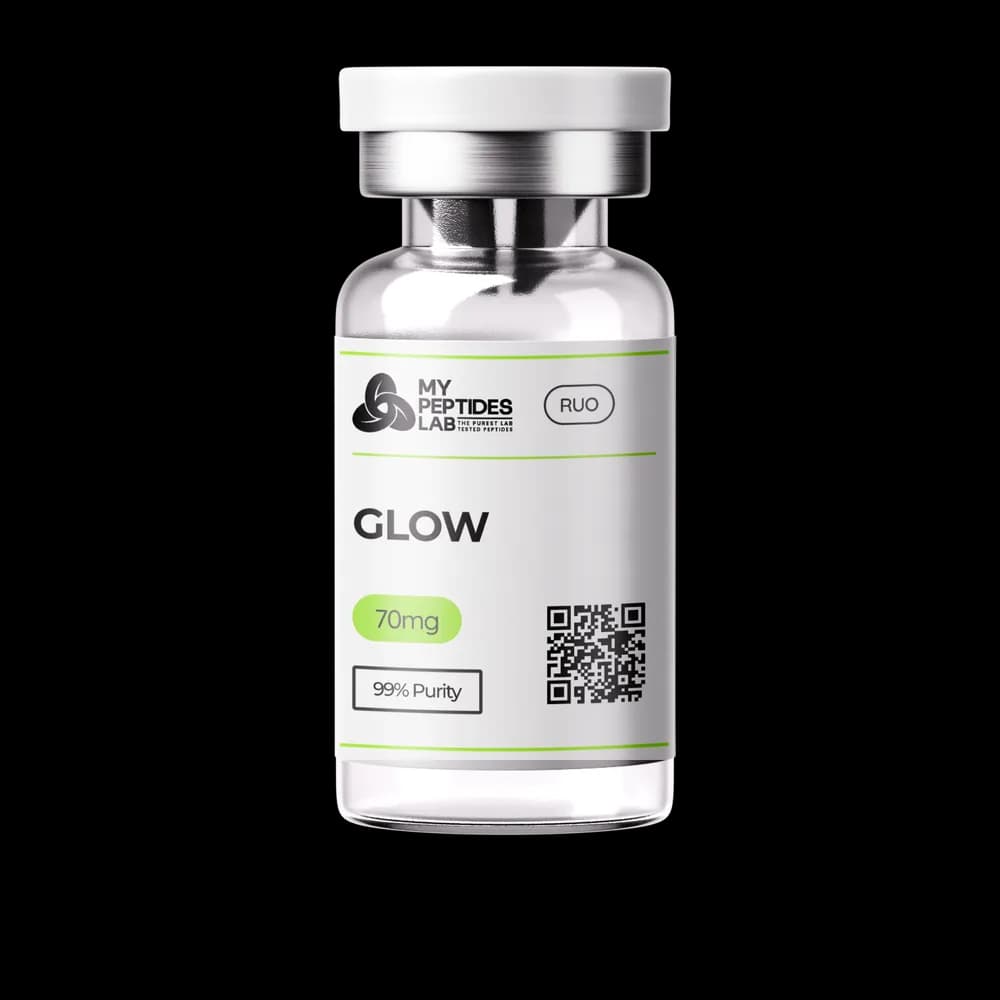
Glow
CosmeticRecovery
Glow
€119,99
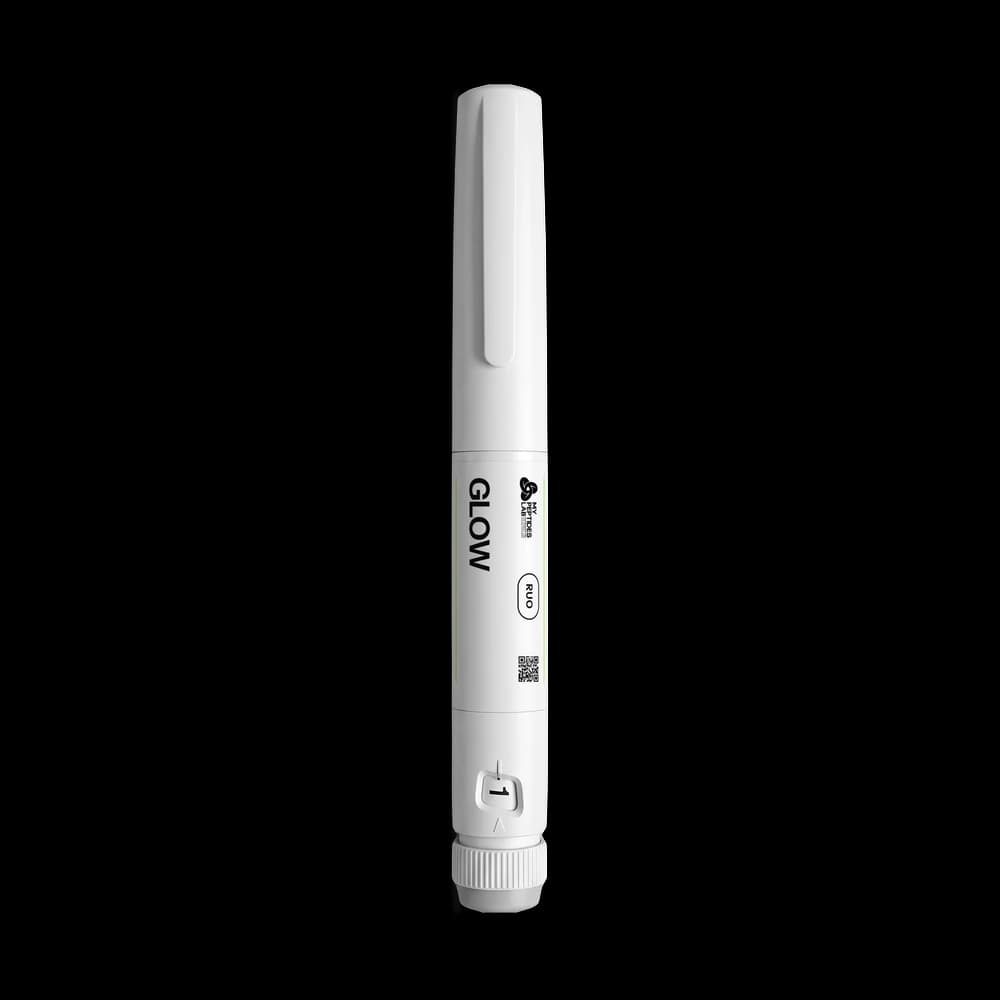
Glow Pen
CosmeticRecovery
Glow Pen
€235,00
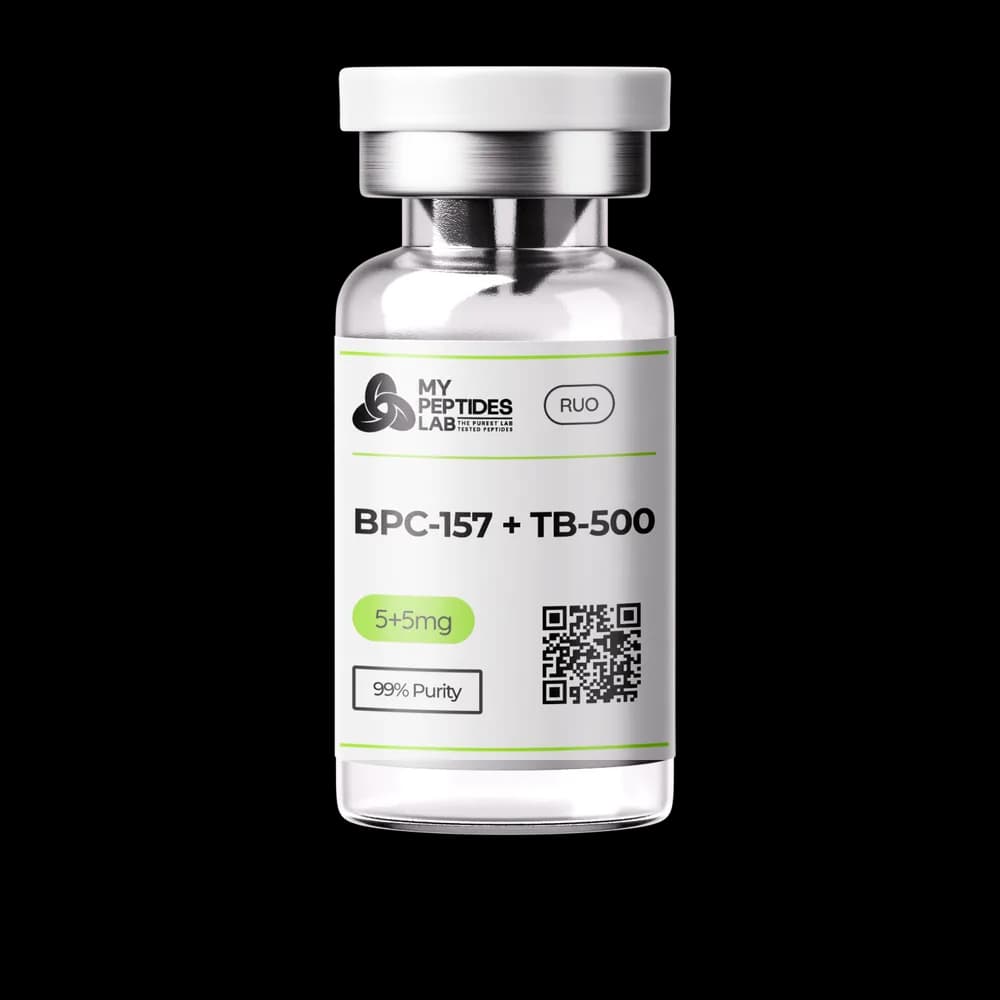
BPC-157 + TB-500
Recovery
BPC-157 + TB-500
From €59,99
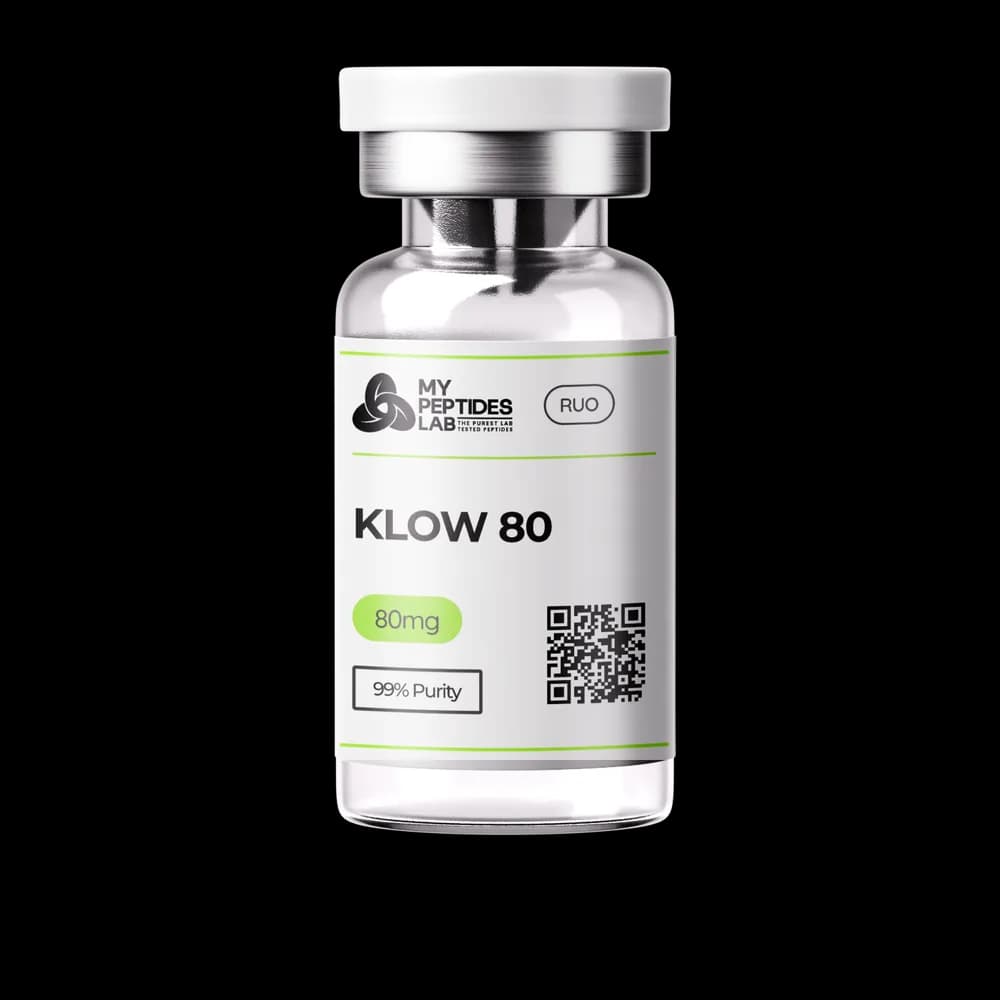
Klow 80
CosmeticRecovery
Klow 80
€139,99
Sold outKPV
CosmeticRecovery
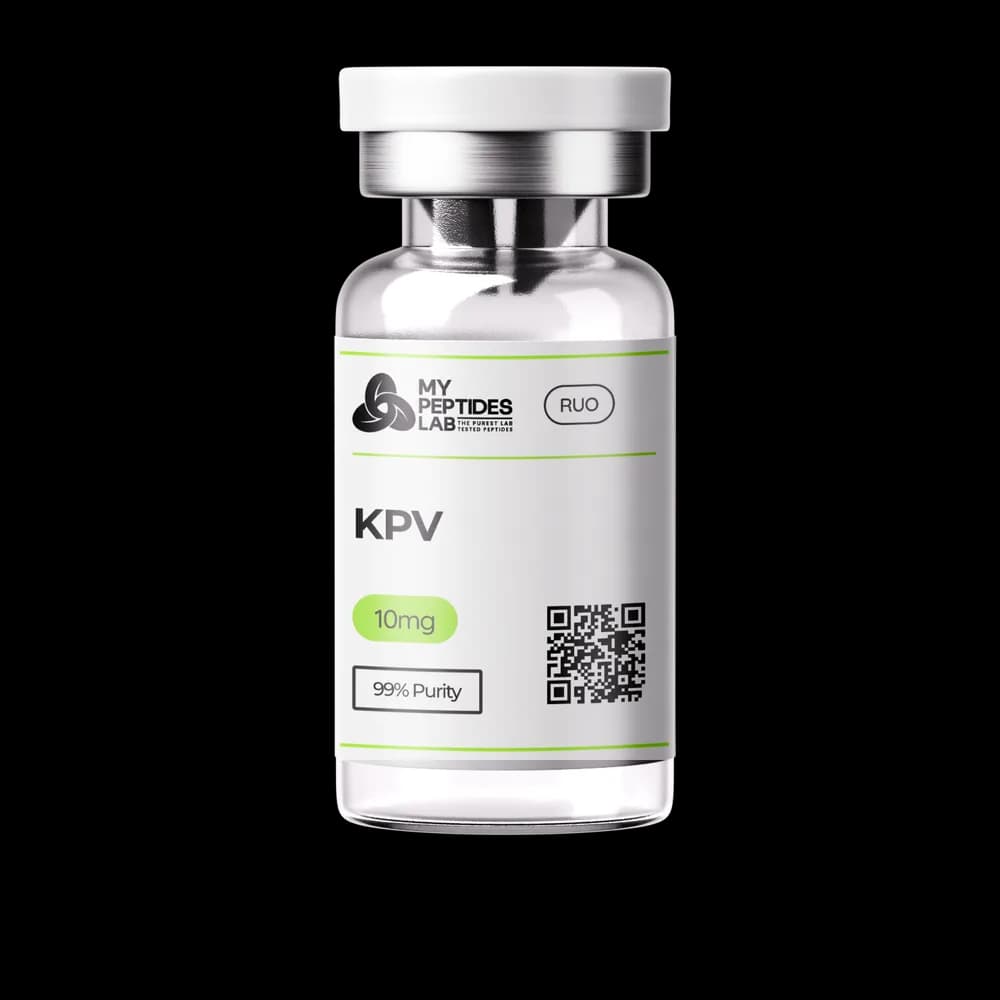
KPV
€39,99
LL-37
Recovery
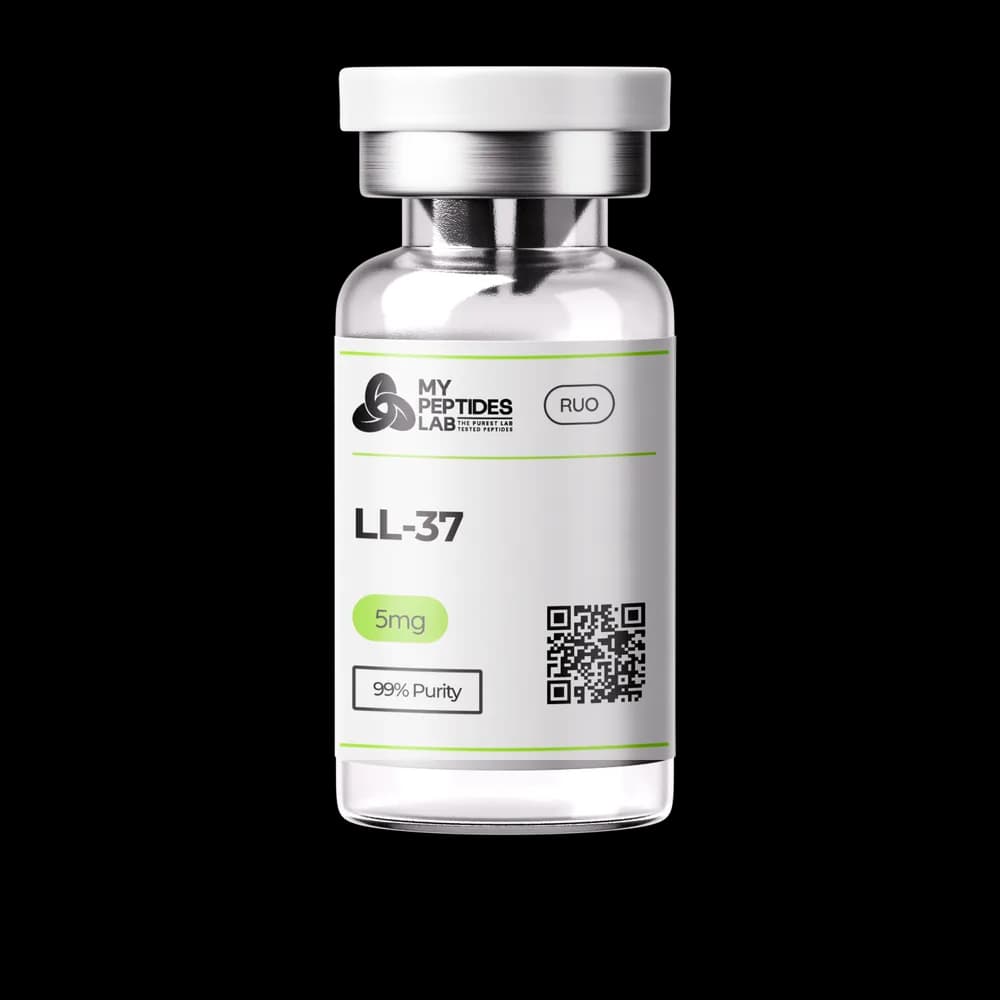
LL-37
€74,99
PEG-MGF
GrowthRecovery
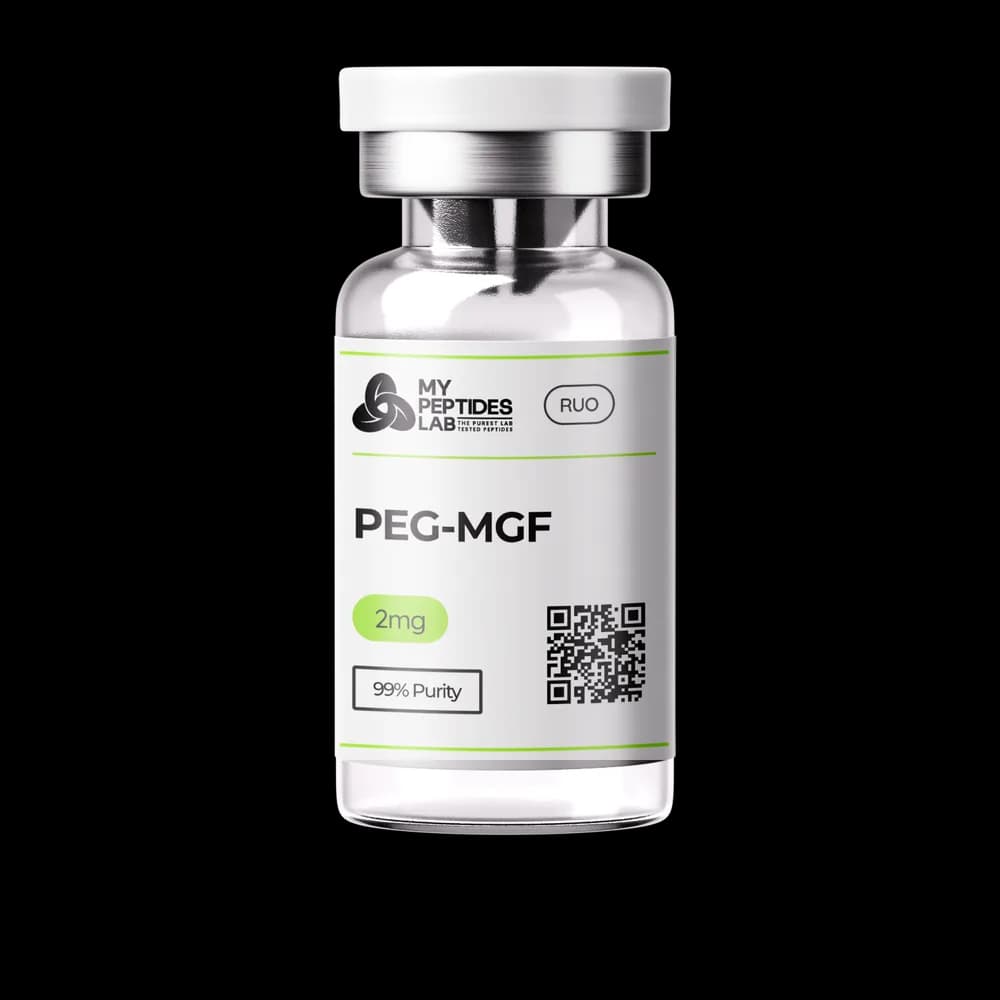
PEG-MGF
€54,99
TB500
Recovery
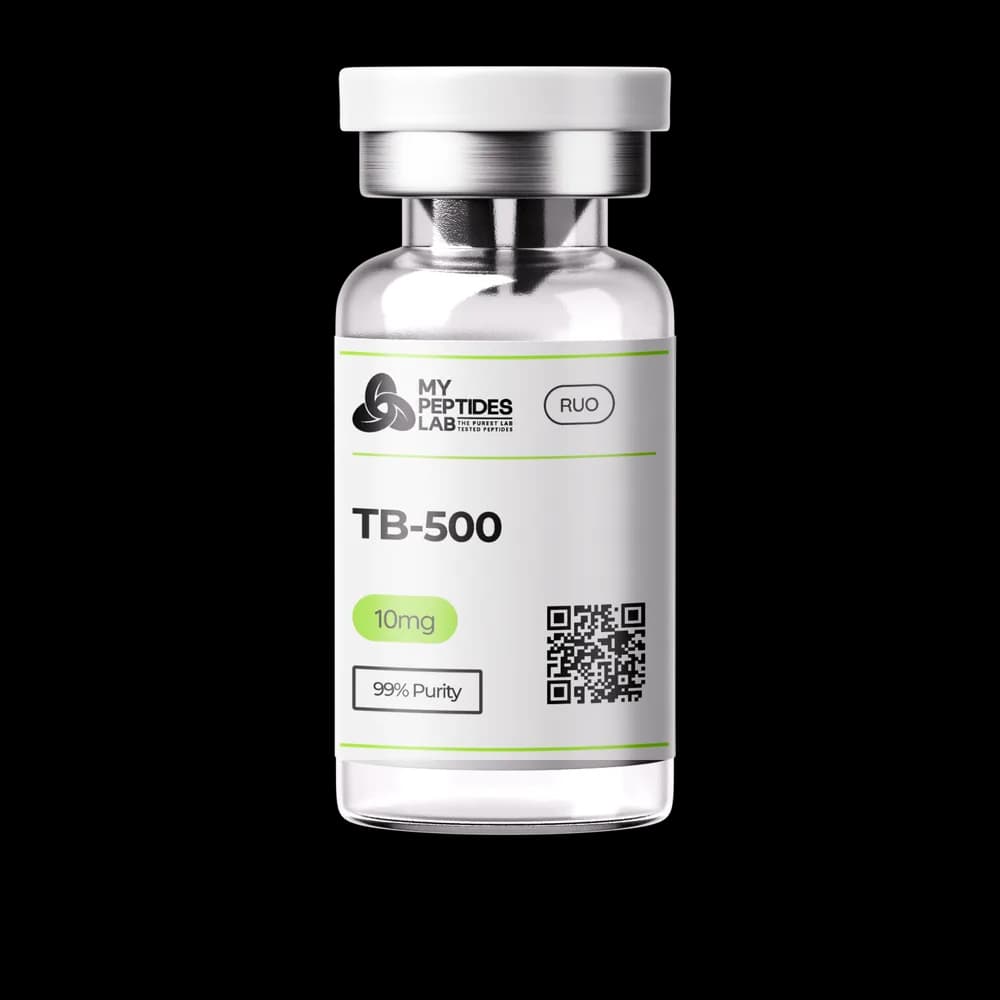
TB500
€49,99

Peptides studied in tissue repair models

The recovery collection gathers the peptides most often used in preclinical research on tissue repair, cell migration and inflammation. It includes the single compounds BPC-157, TB-500, KPV and LL-37, the copper peptides GHK-Cu and AHK-Cu, PEG-MGF, and three research blends. Everything is supplied lyophilised, for laboratory research use only. The collection also serves comparative work: BPC-157 and TB-500 are studied through different pathways, KPV and LL-37 through inflammatory and immune signalling, and the copper peptides through extracellular matrix remodelling, so they are often sourced together. Each product page lists the vial sizes available.

BPC-157 and TB-500

BPC-157 is a synthetic 15-amino-acid peptide derived from a protein found in gastric juice. It is one of the most studied peptides in animal models of tendon, ligament and gut injury, and in research on the formation of new blood vessels. TB-500 is a synthetic peptide based on the active region of thymosin beta-4, a protein involved in actin regulation and cell migration. Because the two are so often studied side by side, we also offer them as a combined BPC-157 + TB-500 blend.

KPV, LL-37 and the copper peptides

KPV is a tripeptide (lysine-proline-valine) from the C-terminal end of alpha-melanocyte-stimulating hormone, studied for its anti-inflammatory activity in cell and animal models. LL-37 is the only cathelicidin found in humans, an antimicrobial peptide researched in innate immunity and wound models. GHK-Cu and AHK-Cu are copper-binding tripeptides used in research on collagen synthesis, fibroblasts and skin cells, and they form the basis of the GLOW and KLOW blends.

Quality and delivery

Our batches are independently analysed by Janoshik for identity and purity, with published reports on the Lab Results page and certificates for other batches available on request. Store lyophilised vials cold and dark; once reconstituted, keep them refrigerated.

We ship from the Netherlands Monday to Saturday, usually within 24 hours of payment, in tracked and discreet packaging, and orders over €150 ship free. These products are for research purposes only and are not intended for human consumption.

Recovery research peptides: FAQ

What is the difference between BPC-157 and TB-500?

They are unrelated molecules. BPC-157 is a 15-amino-acid peptide derived from a gastric protein, while TB-500 is a synthetic peptide based on thymosin beta-4. Both appear widely in preclinical tissue repair research, but they are studied through different mechanisms.

What is in the BPC-157 + TB-500 blend?

Both peptides, combined in a single lyophilised vial in the fixed amounts shown on the product page. It is intended for research designs that study the two compounds together.

What are GLOW and KLOW?

They are research blends built around copper peptides. The composition and amount of each peptide are listed on their product pages, and both blends are tested and documented in the same way as our single compounds.

What is LL-37?

LL-37 is a 37-amino-acid peptide and the only cathelicidin found in humans. It is part of the innate immune system and is studied for its antimicrobial and immunomodulatory activity in laboratory models.

How should recovery peptides be stored?

Keep lyophilised vials cold, dry and protected from light until use. After reconstitution, store the solution refrigerated and avoid repeated freeze-thaw cycles. Bacteriostatic water for reconstitution is available in our accessories collection.

Can these peptides be used on people or animals?

No. They are sold exclusively for in-vitro and laboratory research. They are not medicines or supplements, and we do not provide dosing or usage advice.

For research purposes only · Not for human consumption