Free shipping over €150European-quality peptides10% off orders over €350COA on every batchThird-party tested

Collection

Cosmetic Research Peptides

7 products

Copper peptides and melanocortin analogues for in-vitro research on skin, pigmentation and hair follicle cells.

7 products

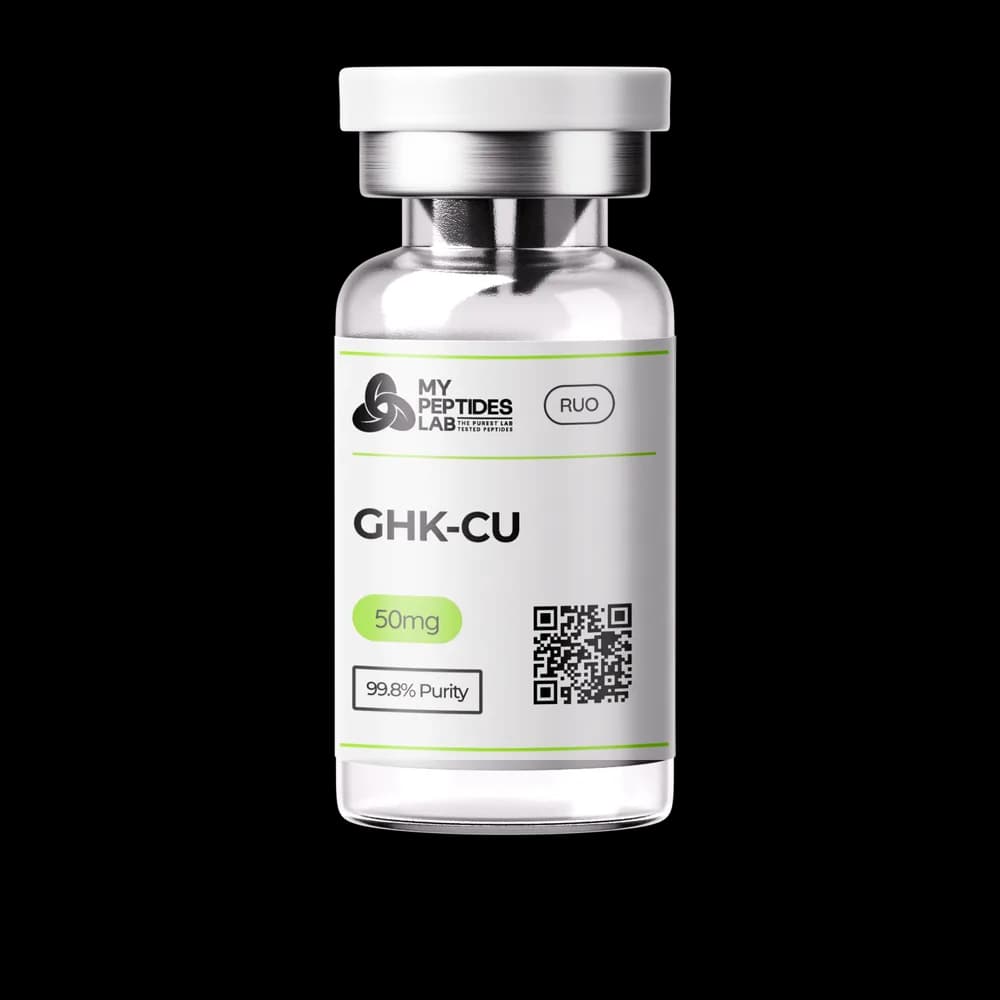
GHK-Cu
CosmeticRecovery
GHK-Cu
From €39,99
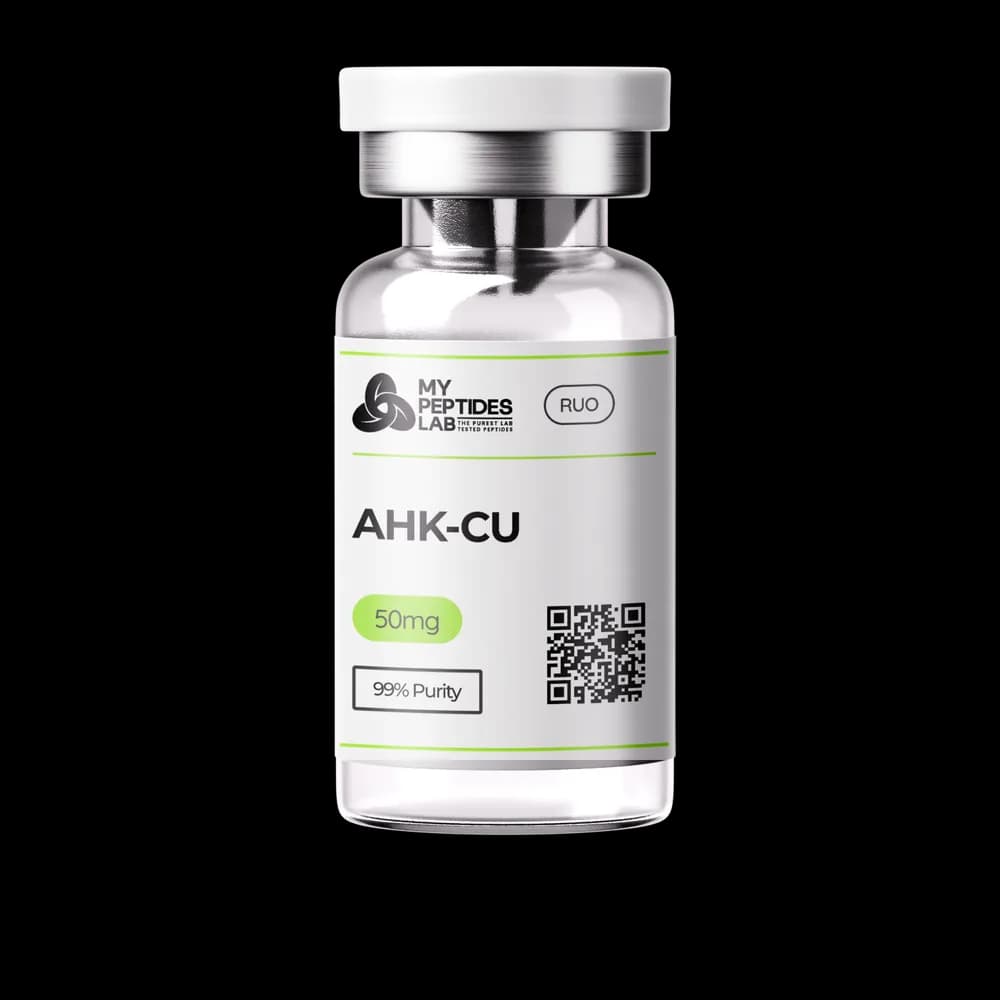
AHK-Cu
CosmeticRecovery
AHK-Cu
€59,99
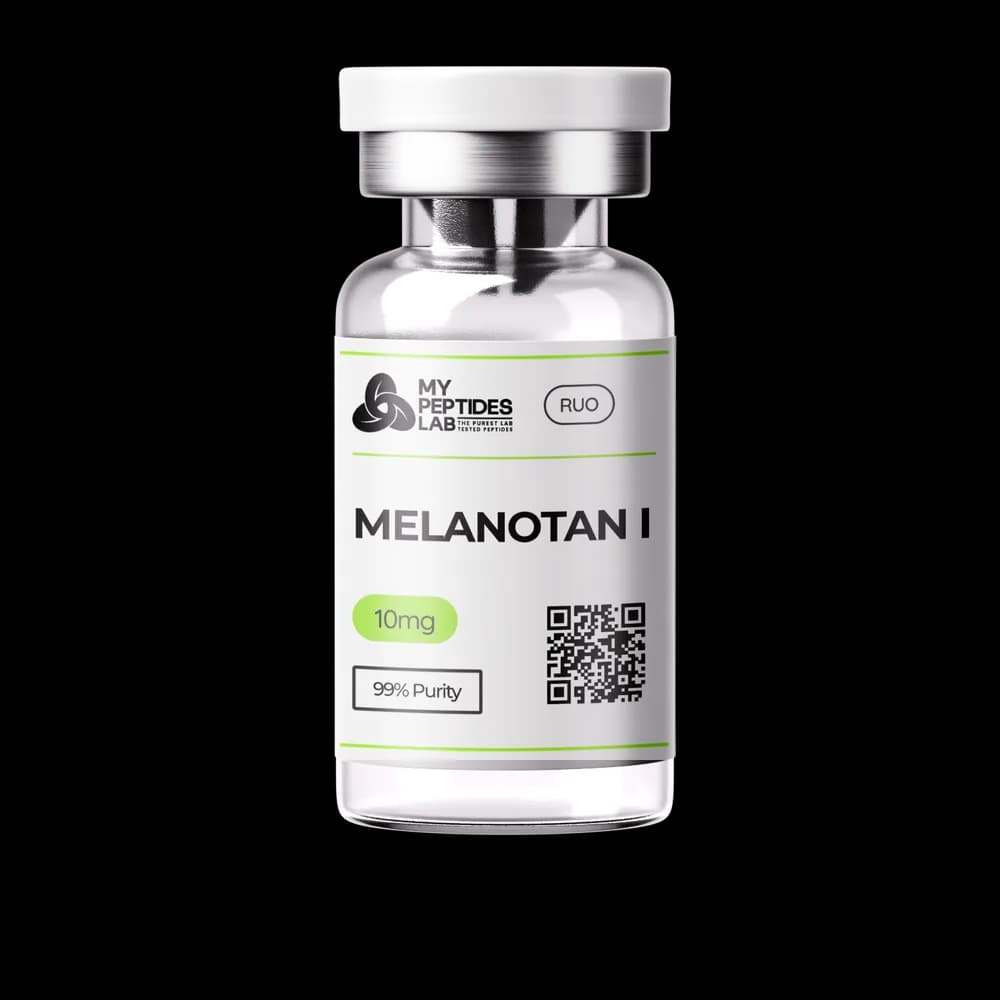
Melanotan I
CosmeticIntimacy
Melanotan I
€39,99
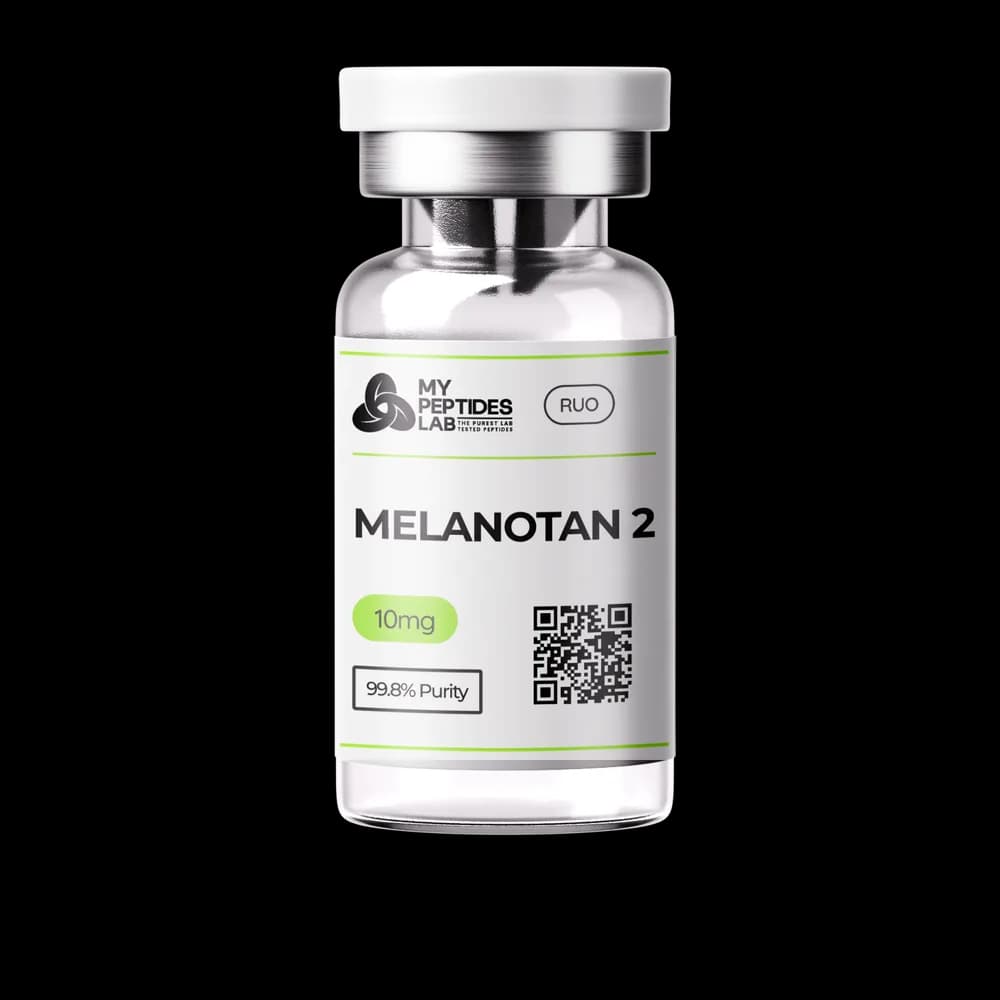
Melanotan 2
CosmeticIntimacy
Melanotan 2
€39,99
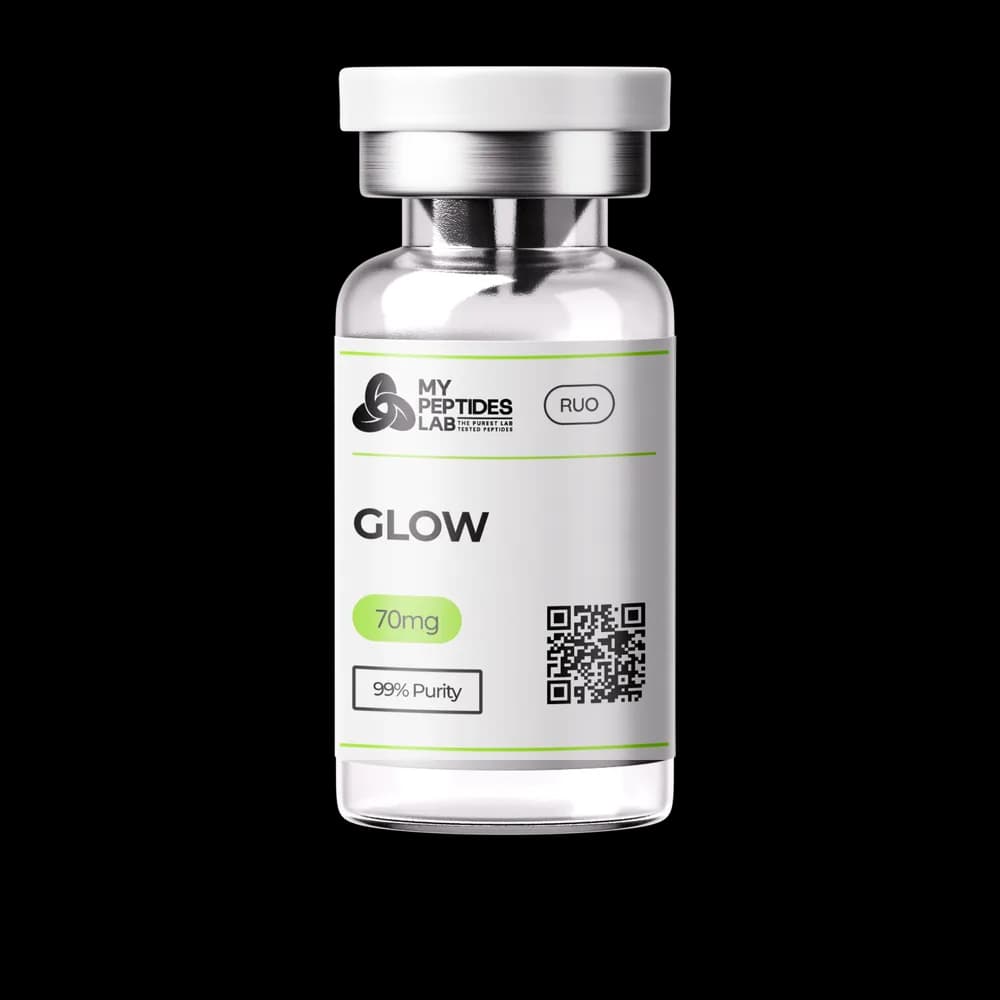
Glow
CosmeticRecovery
Glow
€119,99
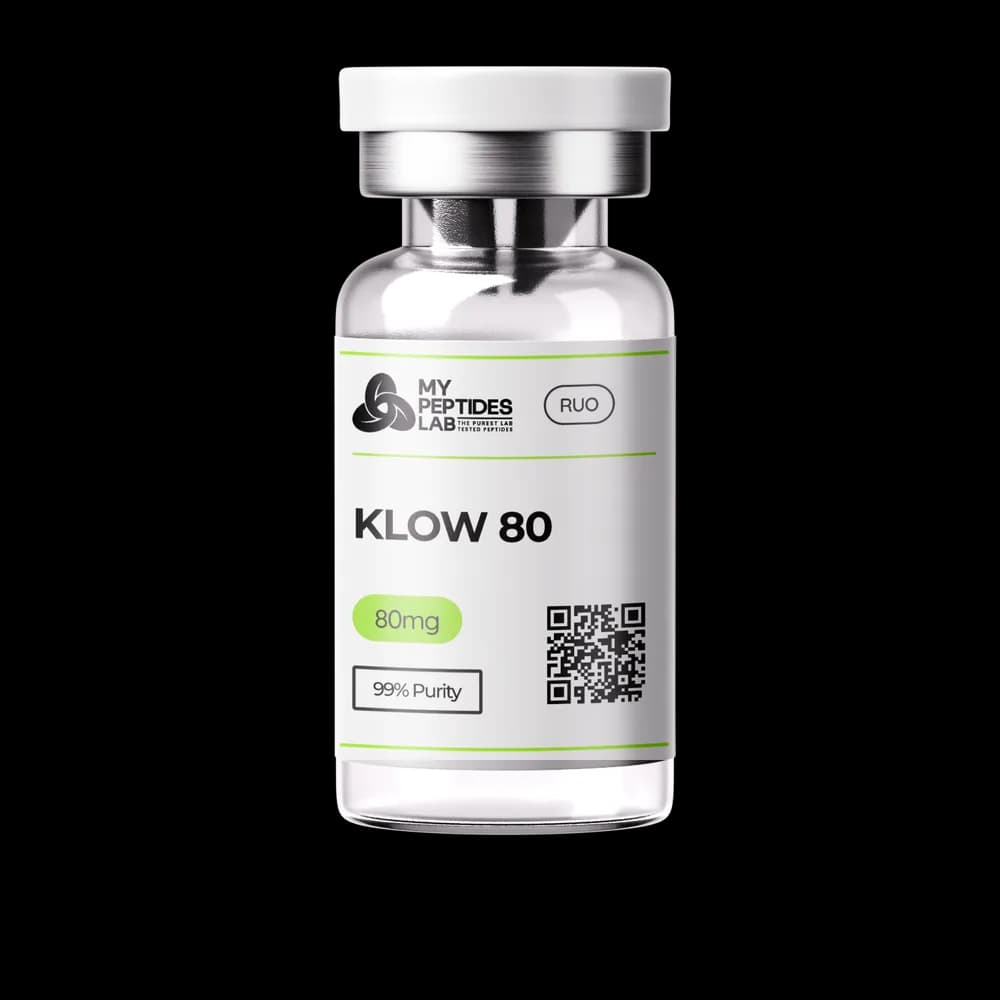
Klow 80
CosmeticRecovery
Klow 80
€139,99
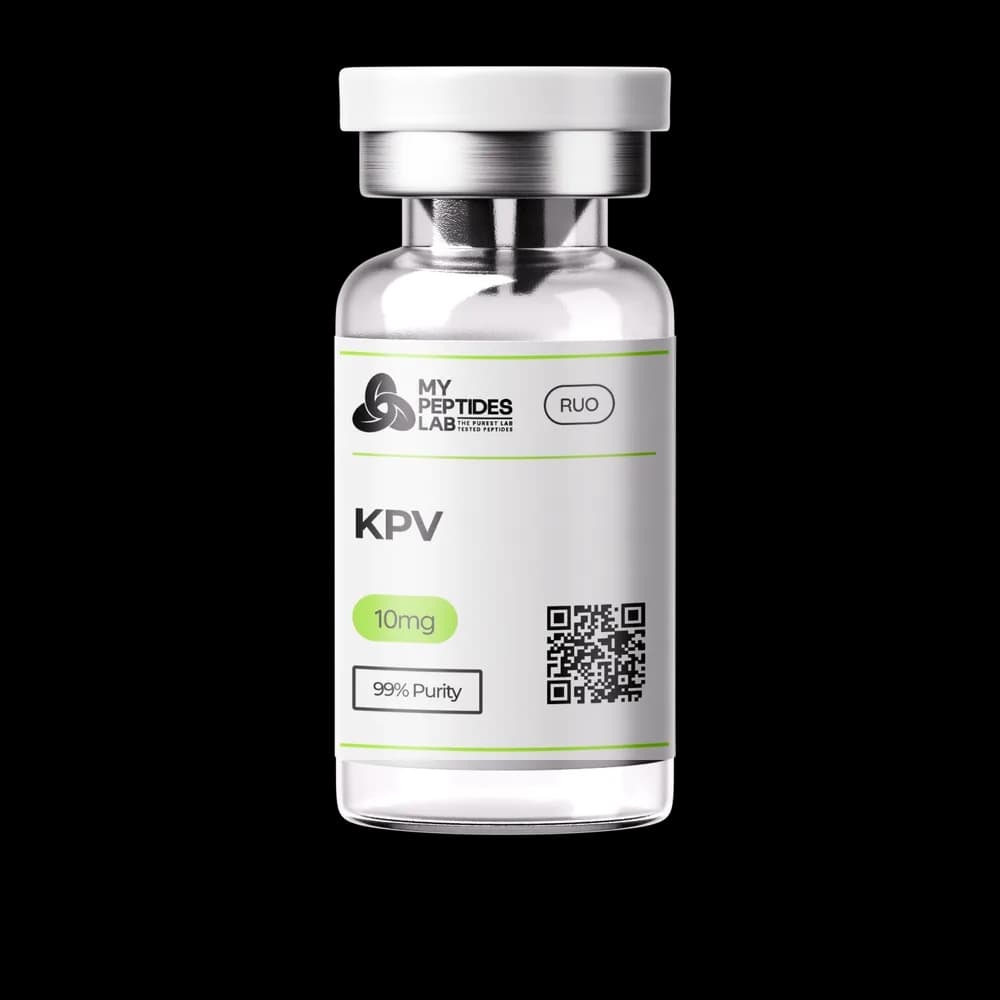
KPV
CosmeticRecovery
KPV
€39,99

Peptides for skin and pigmentation research

This collection covers the peptides used in laboratory research on skin biology: copper peptides studied in collagen and fibroblast models, and melanocortin analogues studied in pigmentation. It includes GHK-Cu, AHK-Cu, Melanotan 1, Melanotan 2 and KPV, plus the GLOW and KLOW blends. All are supplied lyophilised and strictly for research use. The two groups work through very different mechanisms. Copper peptides are researched mainly for extracellular matrix remodelling and wound-healing gene expression, while the melanocortin peptides act on receptors that control pigment production, so they answer different research questions even though both concern skin.

GHK-Cu and AHK-Cu copper peptides

GHK-Cu is the copper complex of the tripeptide glycyl-histidyl-lysine, first isolated from human plasma in the 1970s. It is one of the most published cosmetic research peptides, studied for its effects on collagen and elastin production, fibroblast activity and gene expression in skin cells. AHK-Cu, the copper complex of alanyl-histidyl-lysine, is a close relative researched mainly in dermal papilla and hair follicle cell models.

Melanotan 1, Melanotan 2 and KPV

Melanotan 1 and Melanotan 2 are synthetic analogues of alpha-melanocyte-stimulating hormone (α-MSH). Melanotan 1 is a linear peptide, while Melanotan 2 is a shorter cyclic version with a broader melanocortin receptor profile; both are used in research on melanogenesis and pigmentation. KPV, a tripeptide from the end of the α-MSH sequence, is studied for its anti-inflammatory activity in skin and gut cell models. The GLOW and KLOW blends combine GHK-Cu with peptides from our recovery range, and their exact composition is listed on each product page.

Testing, storage and shipping

Batches are analysed by Janoshik, an independent laboratory, and published reports can be checked on our Lab Results page. Copper peptides and melanocortin analogues are sensitive to light and heat, so keep vials cold and dark and refrigerate them after reconstitution.

We ship from the Netherlands within 24 hours of payment on working days, Monday to Saturday, with free delivery on orders over €150. For laboratory research use only, not for human consumption.

Cosmetic research peptides: FAQ

What is GHK-Cu?

GHK-Cu is a naturally occurring copper complex of the tripeptide glycyl-L-histidyl-L-lysine. It was first identified in human plasma and is widely studied in laboratory models of collagen synthesis, wound repair and skin cell gene expression.

What is the difference between GHK-Cu and AHK-Cu?

Both are copper-binding tripeptides. GHK-Cu contains glycine where AHK-Cu contains alanine. GHK-Cu has the larger body of research in skin and collagen models, while AHK-Cu is mostly studied in hair follicle and dermal papilla cells.

What is the difference between Melanotan 1 and Melanotan 2?

Both are synthetic α-MSH analogues. Melanotan 1 is a linear 13-amino-acid peptide, and Melanotan 2 is a cyclic 7-amino-acid peptide that binds a wider range of melanocortin receptors. That difference in receptor profile is why the two are used in different research designs.

Why is a copper peptide solution blue?

GHK-Cu and AHK-Cu contain copper, which gives the reconstituted solution its characteristic blue colour. The colour is expected and is not a sign of contamination.

Are cosmetic research peptides tested for purity?

Yes. Batches are analysed by Janoshik, an independent laboratory. Published reports, with batch numbers you can verify on Janoshik's site, are on our Lab Results page, and the certificate for any other batch is available on request.

Can I use these peptides in skincare products?

No. They are sold strictly as research materials for in-vitro and laboratory use. They are not cosmetic ingredients, medicines or supplements, and they are not for use on humans or animals.

For research purposes only · Not for human consumption