Free shipping over €150European-quality peptides≤24h dispatchCOA on every batchThird-party tested

Collection

Muscle Growth Research Peptides

5 products

IGF-1 LR3, PEG-MGF, GHRP-2, GHRP-6 and 5-Amino-1MQ for in-vitro research on muscle cell growth and repair.

5 products

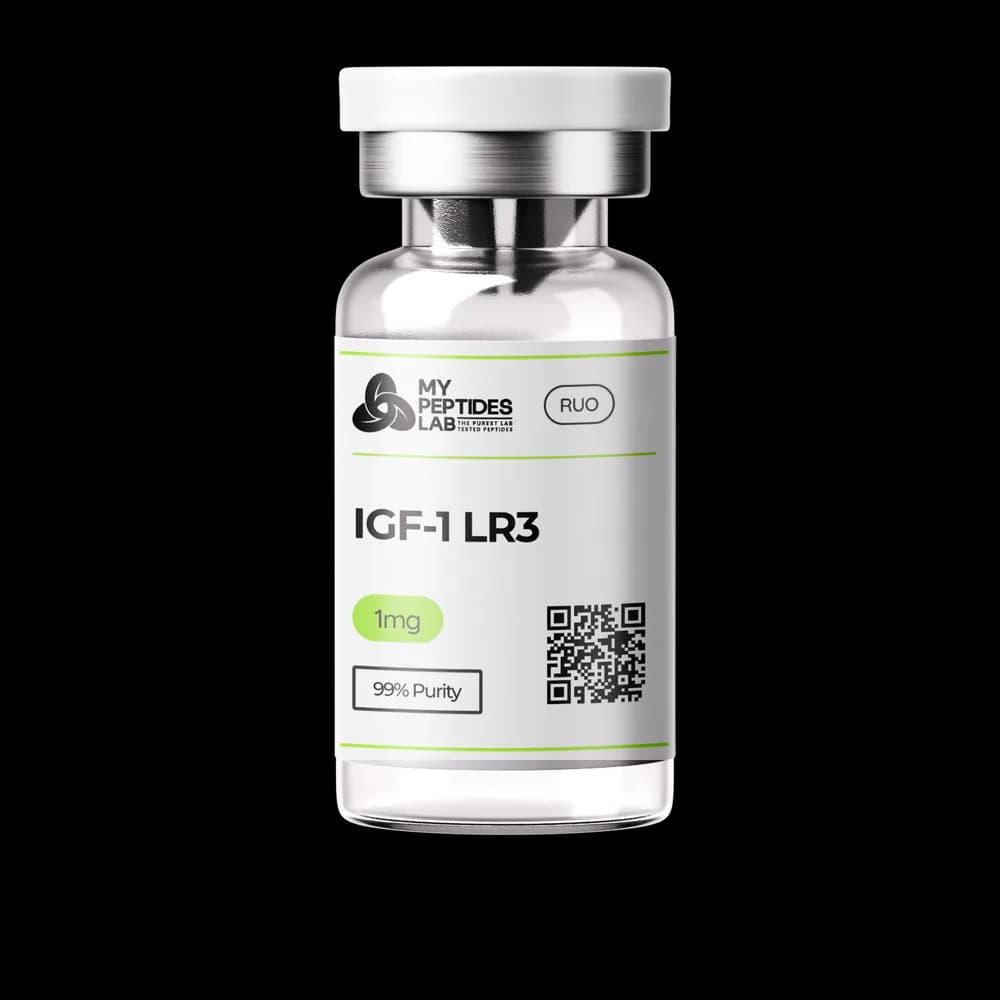
IGF-1  LR3
GrowthMuscle Growth
IGF-1 LR3
€89,99
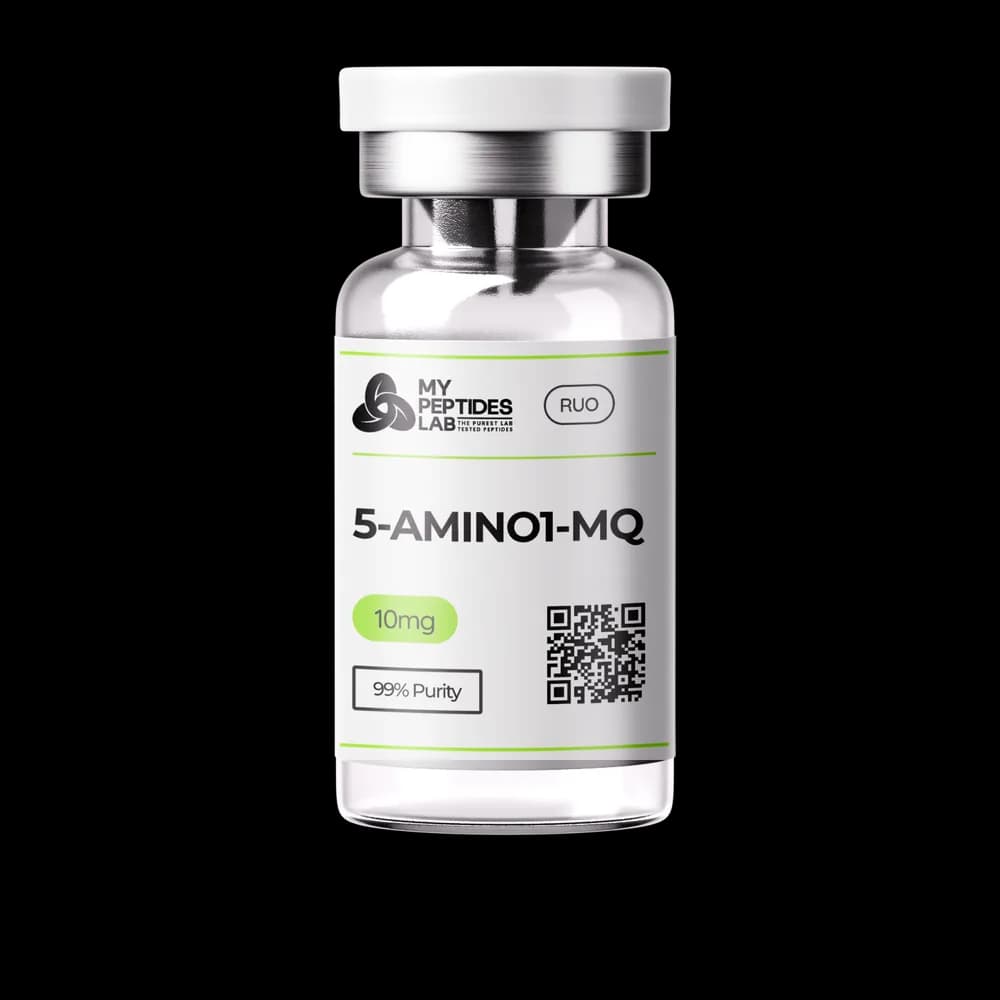
5-Amino1-MQ
Cellular EnergyMuscle Growth
5-Amino1-MQ
€59,99
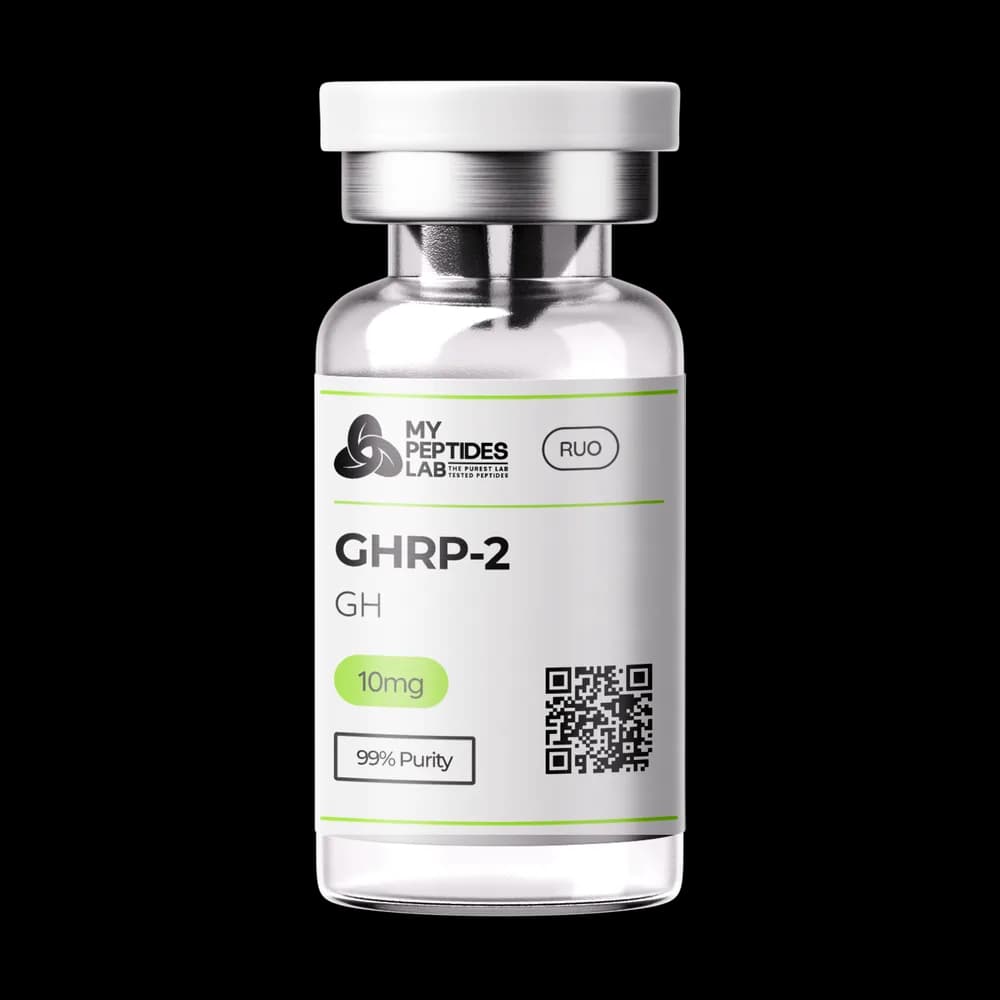
GHRP-2
GrowthMuscle Growth
GHRP-2
€34,99
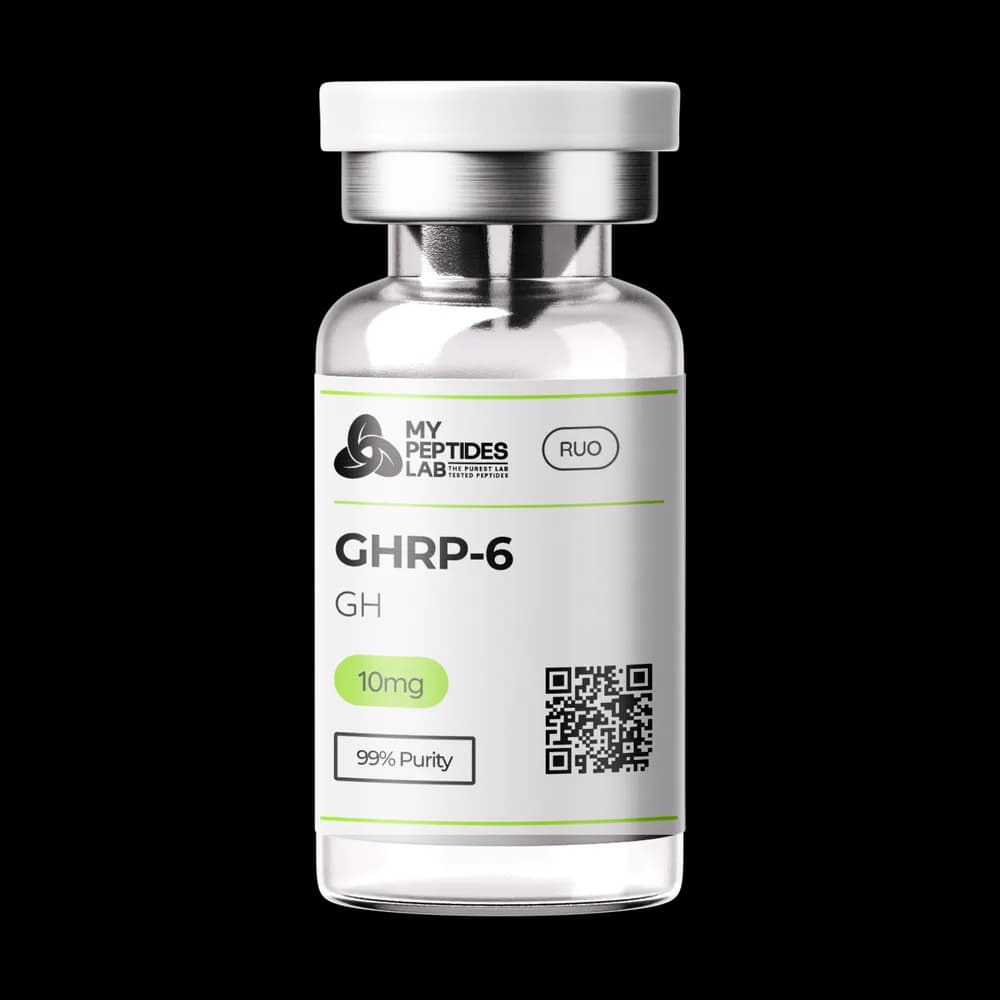
GHRP-6
AppetiteGrowth
GHRP-6
€34,99
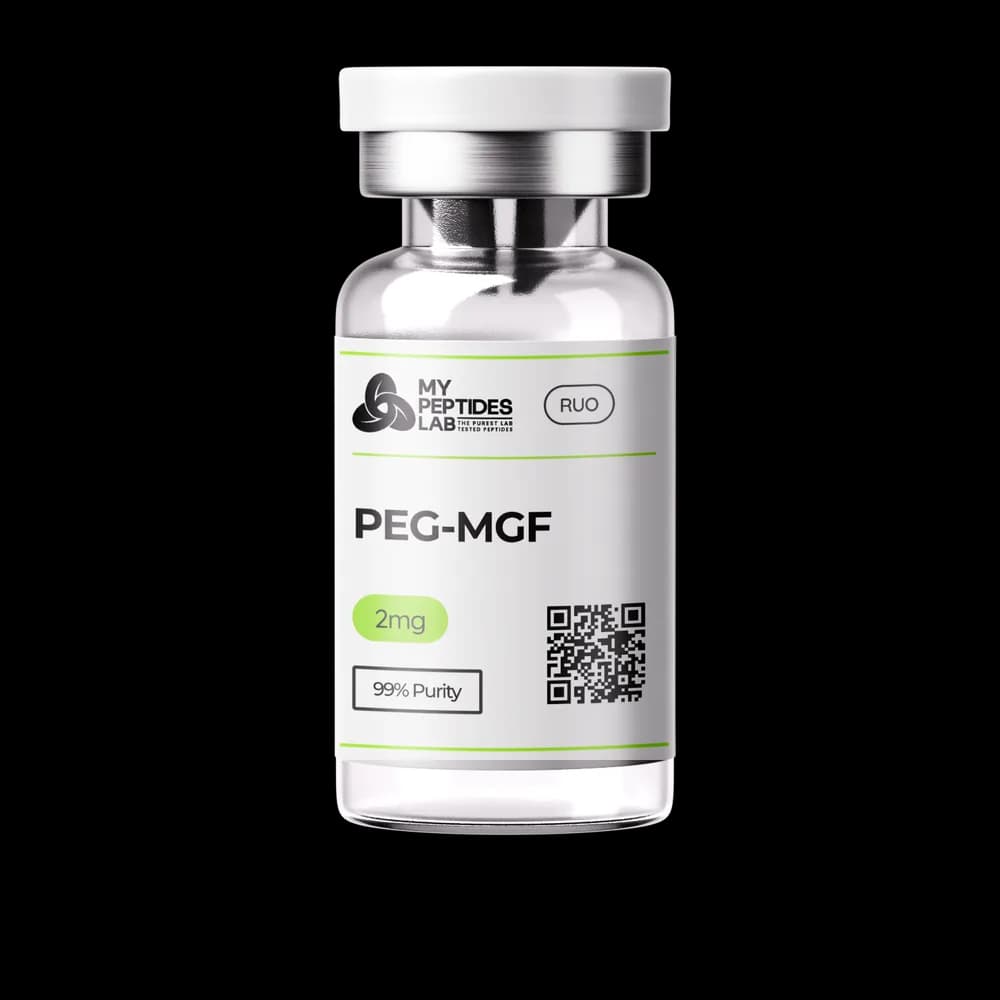
PEG-MGF
GrowthRecovery
PEG-MGF
€54,99

Research compounds for muscle cell biology

This collection focuses on the growth factor pathways studied in muscle cell research. It includes the IGF-1 analogue IGF-1 LR3, the mechano growth factor analogue PEG-MGF, the growth hormone secretagogues GHRP-2 and GHRP-6, and the small molecule 5-Amino-1MQ. Each is supplied as a lyophilised research material, strictly for laboratory use.

IGF-1 LR3 and PEG-MGF

IGF-1 LR3 is an 83-amino-acid analogue of insulin-like growth factor 1. A substitution at position three and an extended N-terminus reduce its binding to IGF-binding proteins, which is why it is widely used to stimulate cell proliferation in culture. PEG-MGF is a pegylated form of mechano growth factor, a peptide derived from an alternative splice variant of the IGF-1 gene. The PEG chain improves its stability, and it is studied in muscle satellite cell and repair models. The two are often compared because they arise from the same gene but behave differently in research: IGF-1 LR3 is studied as a long-acting growth factor analogue, while MGF is studied for a local role in the early response to muscle loading and damage.

GHRP-2, GHRP-6 and 5-Amino-1MQ

GHRP-2 and GHRP-6 are synthetic hexapeptides that act on the ghrelin receptor (GHS-R1a) to stimulate growth hormone release, making them tools for studying the upstream signal that drives IGF-1 production. 5-Amino-1MQ is a small-molecule inhibitor of the enzyme NNMT, and published animal research has examined its effect on muscle stem cell function in ageing muscle. Using a secretagogue alongside a direct growth factor analogue lets researchers separate effects that depend on growth hormone release from effects of IGF signalling itself.

Testing and shipping

Our batches are independently analysed by Janoshik for identity and purity. The reports we publish appear on the Lab Results page, and the certificate for any other batch is available on request. Store lyophilised vials cold and dark and refrigerate them once reconstituted.

Orders ship from the Netherlands, usually within 24 hours of payment, in tracked parcels, with free delivery over €150. These products are for laboratory research only and are not for human consumption.

Muscle growth research peptides: FAQ

What makes IGF-1 LR3 different from IGF-1?

IGF-1 LR3 has an arginine in place of glutamic acid at position three and a 13-amino-acid extension at the N-terminus. These changes greatly reduce binding to IGF-binding proteins, so it stays active longer in cell culture than native IGF-1.

What is PEG-MGF?

Mechano growth factor (MGF) is a peptide from a splice variant of the IGF-1 gene. PEG-MGF has a polyethylene glycol chain attached, which protects it from rapid breakdown. It is studied in models of muscle cell repair and satellite cell activation.

What is the difference between GHRP-2 and GHRP-6?

Both are hexapeptide ghrelin-receptor agonists used to study growth hormone release. GHRP-2 is generally described as the more potent of the two for growth hormone release, while GHRP-6 shows stronger ghrelin-like effects on appetite signalling in animal studies.

Why is 5-Amino-1MQ in the muscle growth collection?

5-Amino-1MQ inhibits the enzyme NNMT, and published animal research has examined its effect on muscle stem cell activity in ageing muscle. It is a small molecule rather than a peptide.

How is IGF-1 LR3 reconstituted?

IGF-1 LR3 is supplied lyophilised and is commonly reconstituted in a mildly acidic solvent such as acetic acid water, which we stock in the accessories collection. Follow the solvent and concentration set by your laboratory protocol, and refrigerate the solution afterwards.

Are muscle growth peptides for human use?

No. They are sold only for in-vitro and laboratory research. They are not supplements or medicines, are not for human or veterinary use, and we cannot advise on dosing.

For research purposes only · Not for human consumption