Peptides for appetite signalling research
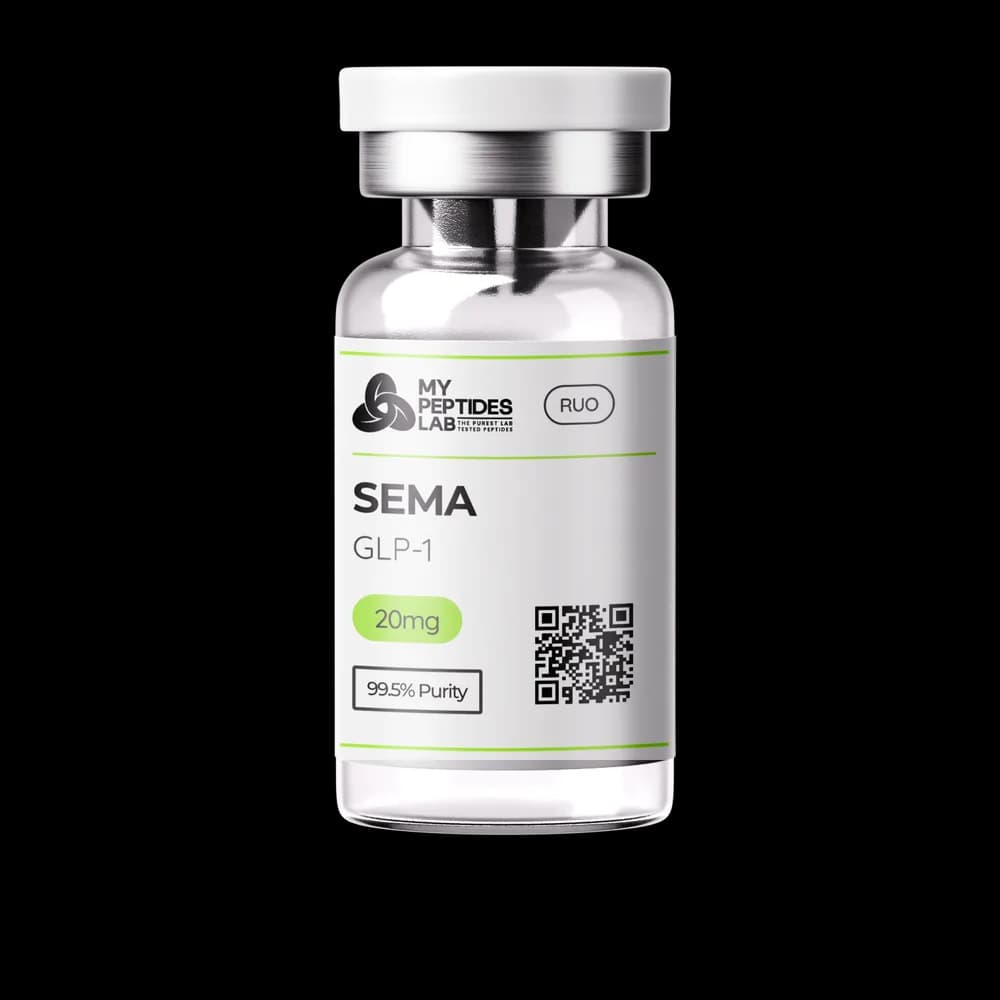
Appetite is regulated by hormones released from the gut, such as GLP-1 and GIP, and by signals such as ghrelin acting on the brain. This collection brings together the research peptides used to study those pathways: RT3 GLP-3 and related incretin-pathway compounds, and GHRP-6. Every product is supplied for laboratory research use only and is not for human consumption. The two pathways are studied together because they work in opposite directions: incretin hormones are released after eating and are associated with satiety signalling, while ghrelin rises before meals and signals hunger.
RT3 GLP-3 and the incretin receptors
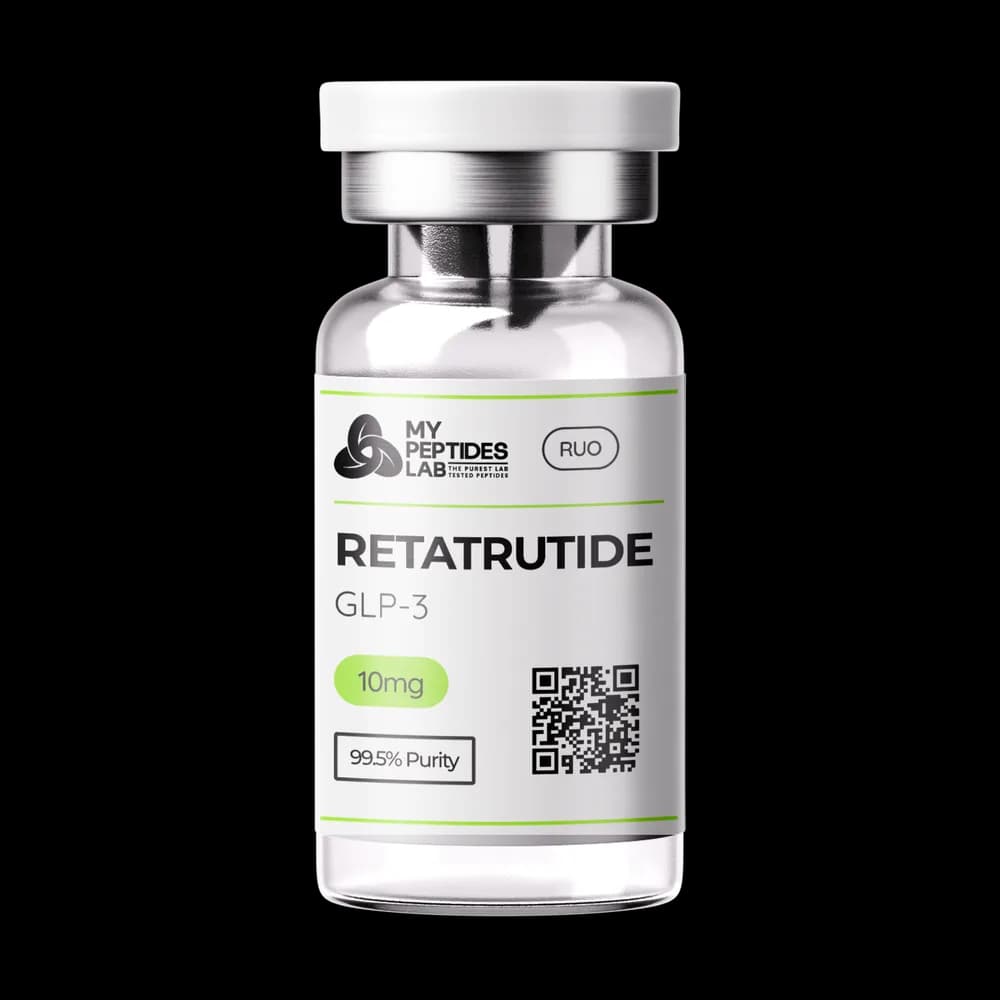
RT3 GLP-3 is a synthetic peptide that activates three receptors at once: the GLP-1 receptor, the GIP receptor and the glucagon receptor. That triple activity makes it a subject of research into how these receptor systems interact in regulating appetite and energy balance, compared with compounds that act on only one or two of them. It is supplied in a range of vial sizes, listed with current prices on the product page.
Related incretin-pathway peptides and GHRP-6
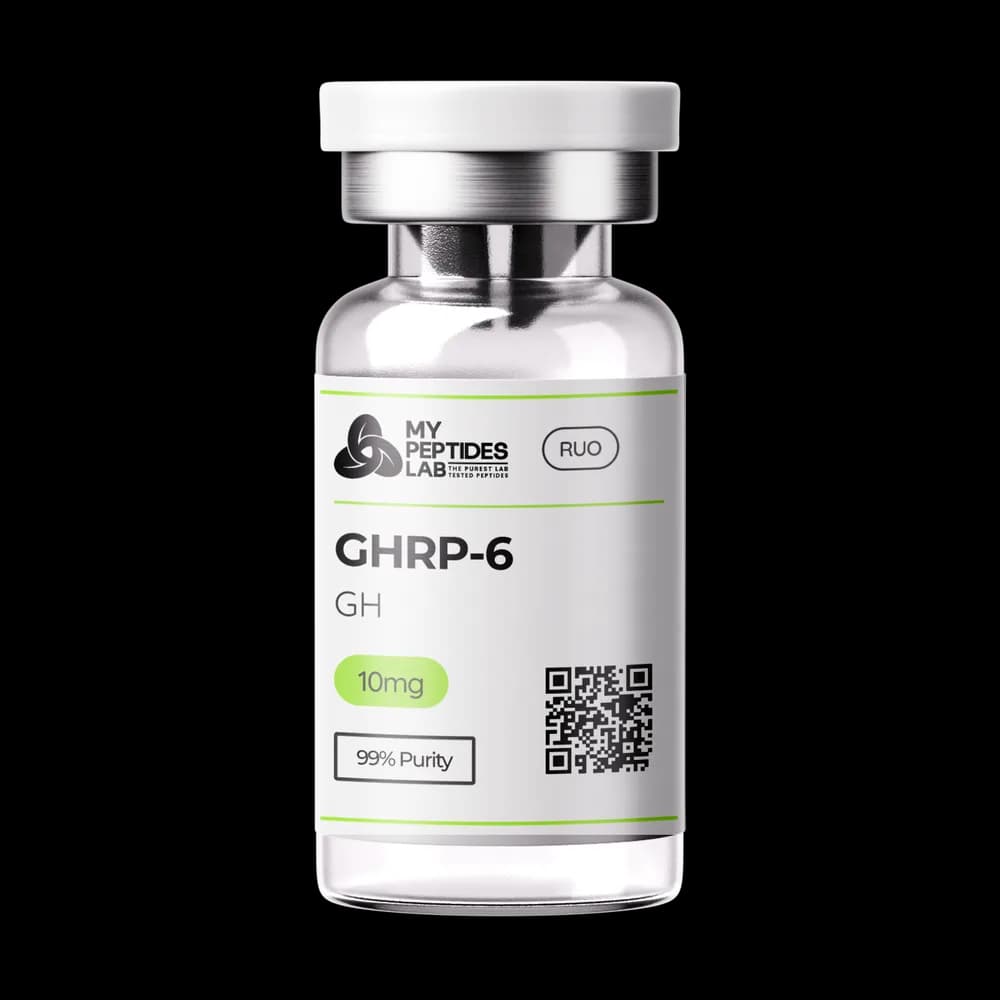
The collection also includes peptides from the same incretin family that act on fewer receptors, which are useful as comparators in pathway studies; the details of each are on its product page. GHRP-6 approaches appetite from a different direction. As an agonist of the ghrelin receptor, the receptor for the body's hunger hormone, it is studied for its ghrelin-like effects on hunger signalling in animal models, giving researchers a second pathway to compare against the incretins.
Tested batches, delivered fast
Our batches are analysed by Janoshik, an independent laboratory, for identity and purity. Published reports with verifiable batch numbers are on the Lab Results page, and the certificate for any other batch is available on request. Keep lyophilised vials cold and away from light, and refrigerate them after reconstitution.
Orders leave the Netherlands within 24 hours of payment, Monday to Saturday, and ship free over €150. Delivery takes 1–2 working days to the Netherlands and Belgium and 3–8 working days to the rest of Europe, and every parcel is tracked. All products in this collection are research materials, not medicines.