Peptides for metabolic research
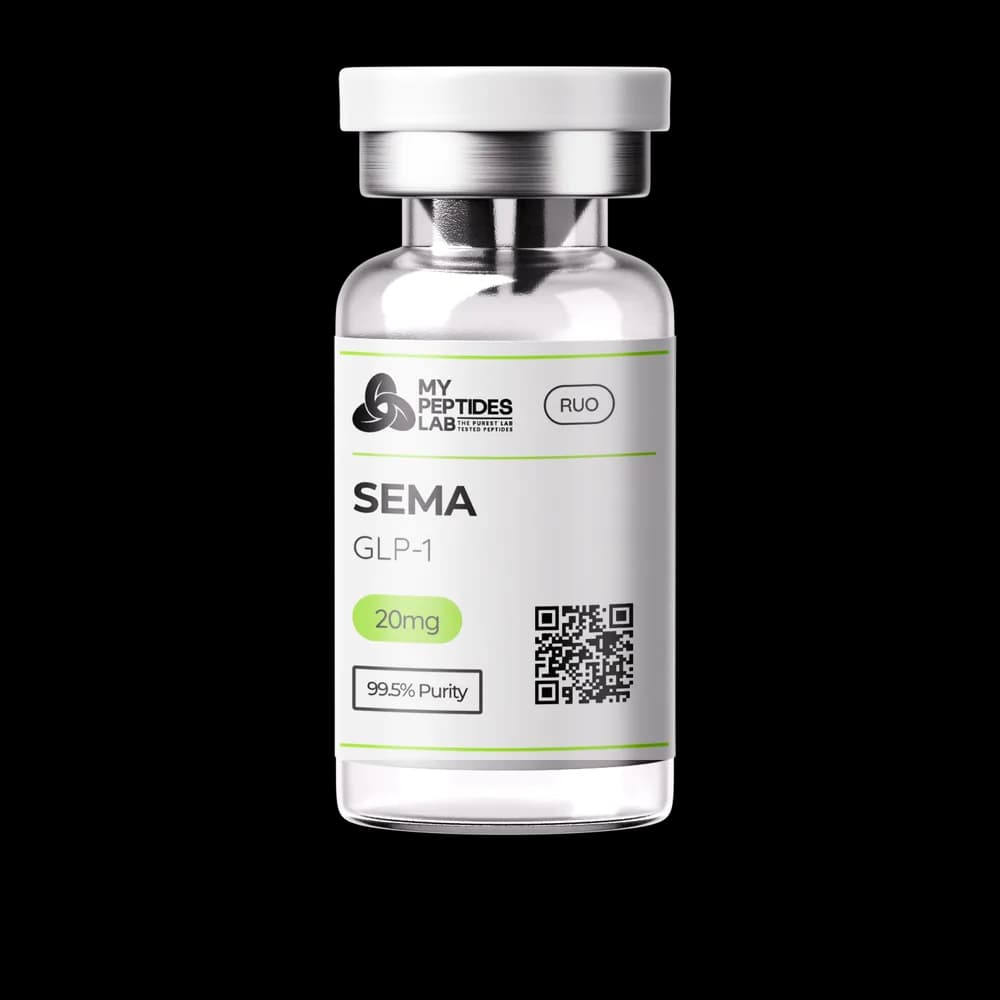
Metabolic research studies how the body manages glucose, stores and releases energy, and balances intake against expenditure. The peptides in this collection act on the receptors at the centre of that system, the GLP-1, GIP and glucagon receptors, and include RT3 GLP-3 and related incretin-pathway compounds. They are supplied as research materials for laboratory use only, not for human consumption. Because these receptors are expressed in the pancreas, liver, fat tissue and brain, the same compounds support research across several organ systems.
How the three receptors differ
The GLP-1 and GIP receptors are activated by incretin hormones released from the gut after a meal, and both are studied for their role in insulin secretion and glucose control. The glucagon receptor works largely in the opposite direction in the liver, where it raises glucose output, but it is also studied for its effects on energy expenditure and fat metabolism. Comparing compounds that activate one, two or all three of these receptors is a core approach in metabolic pathway research.
RT3 GLP-3 in metabolic research
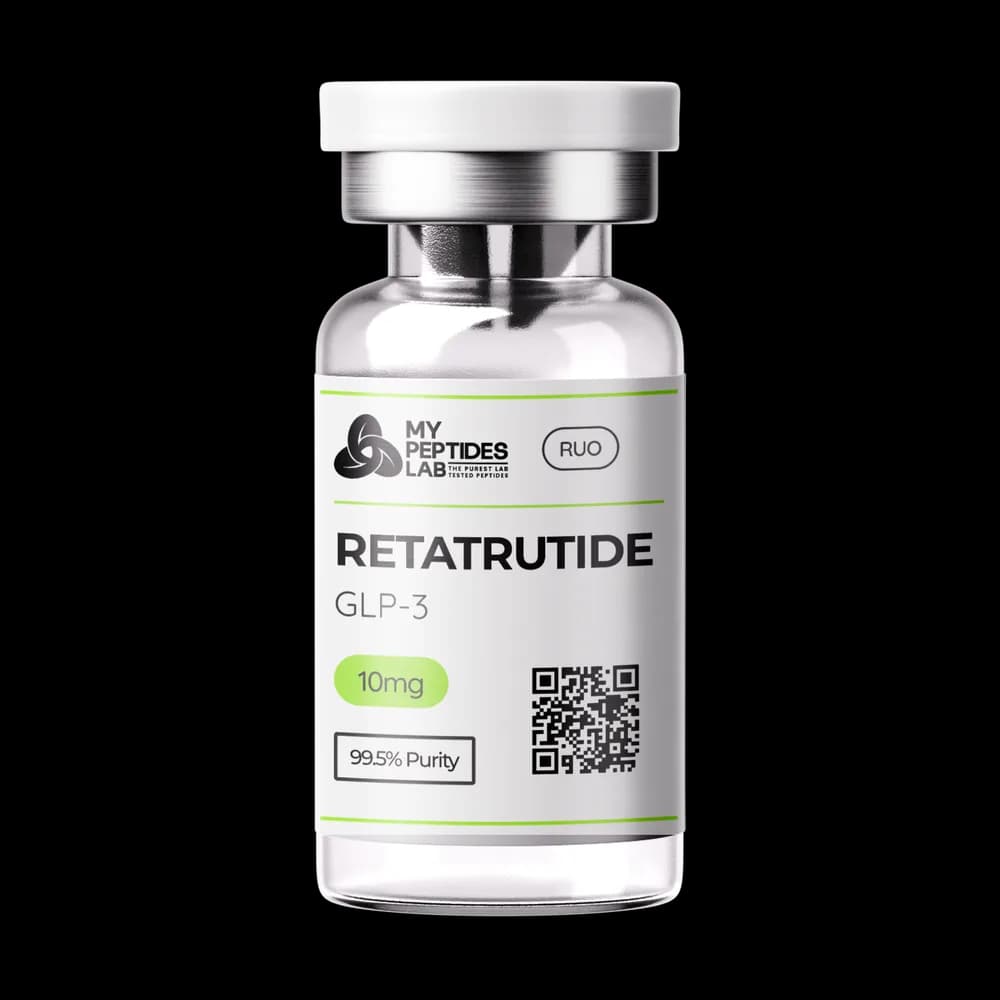
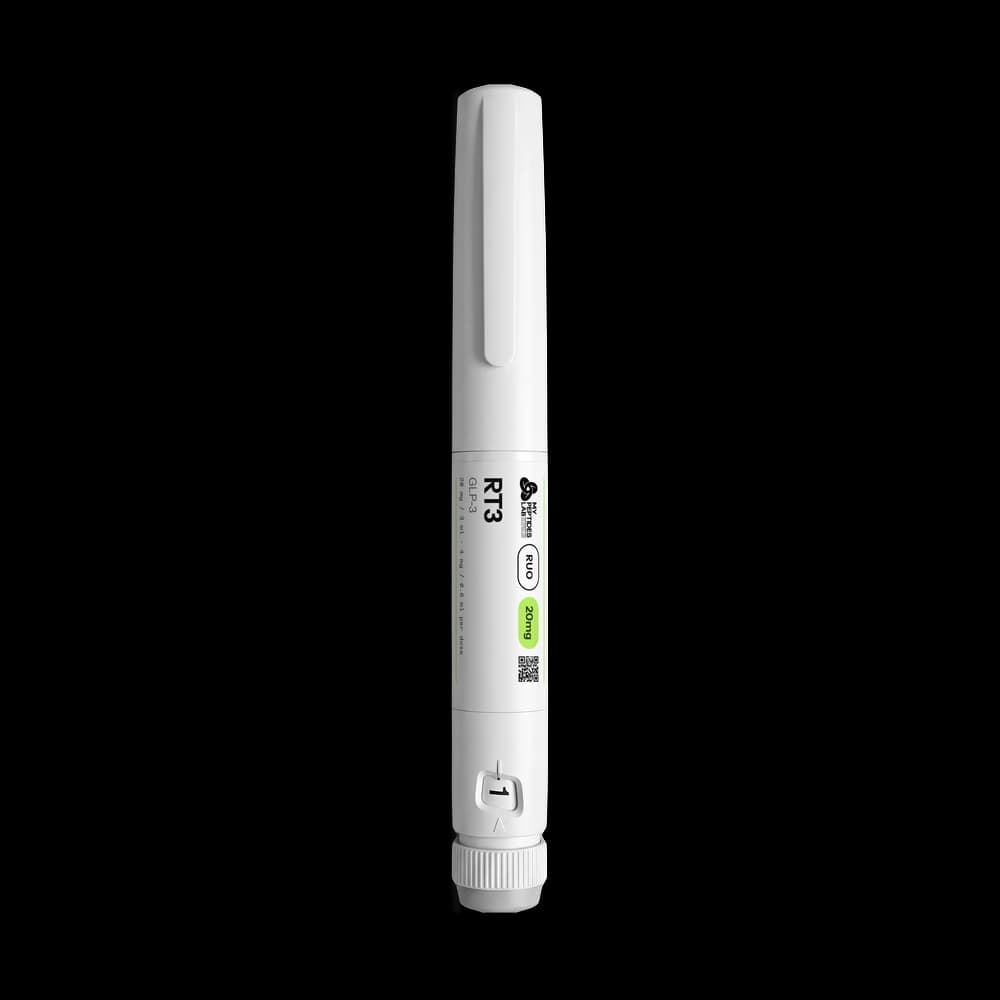
RT3 GLP-3 activates all three receptors, which makes it a subject of research into whether combined GLP-1, GIP and glucagon receptor activity produces effects that single- or dual-receptor compounds do not. It sits alongside the other incretin-pathway peptides in this collection, whose details are described on their product pages, so comparator compounds can be sourced from one supplier to one testing standard. RT3 GLP-3 itself is supplied in a range of vial sizes, with current prices and availability on its product page.
Testing and delivery
Every batch is analysed by Janoshik, an independent laboratory, for identity and purity, and published reports are on our Lab Results page. Store lyophilised vials cold and dark and keep reconstituted solutions refrigerated.
We ship from the Netherlands Monday to Saturday, usually within 24 hours of payment, with delivery in 1 to 2 working days to the Netherlands and Belgium, and free shipping on orders over €150. Delivery to the rest of Europe takes 3 to 8 working days, every parcel is tracked, and all products are for research purposes only.