Peptides for growth hormone axis research
This collection brings together the growth hormone secretagogues and releasing peptides that researchers use to study how growth hormone (GH) release is signalled and regulated. It covers both receptor pathways that drive GH release, GHRH analogues and ghrelin-receptor agonists, alongside related compounds that act further along the axis. Every product is a lyophilised research material, supplied strictly for laboratory work. When choosing between them, researchers mainly weigh which receptor a compound acts on, how long it remains active in a given model, and whether a single compound or a combination fits the study design. Each product page lists the vial sizes available, and our reconstitution calculator helps with solvent volumes.
GHRH analogues: Tesamorelin and CJC-1295
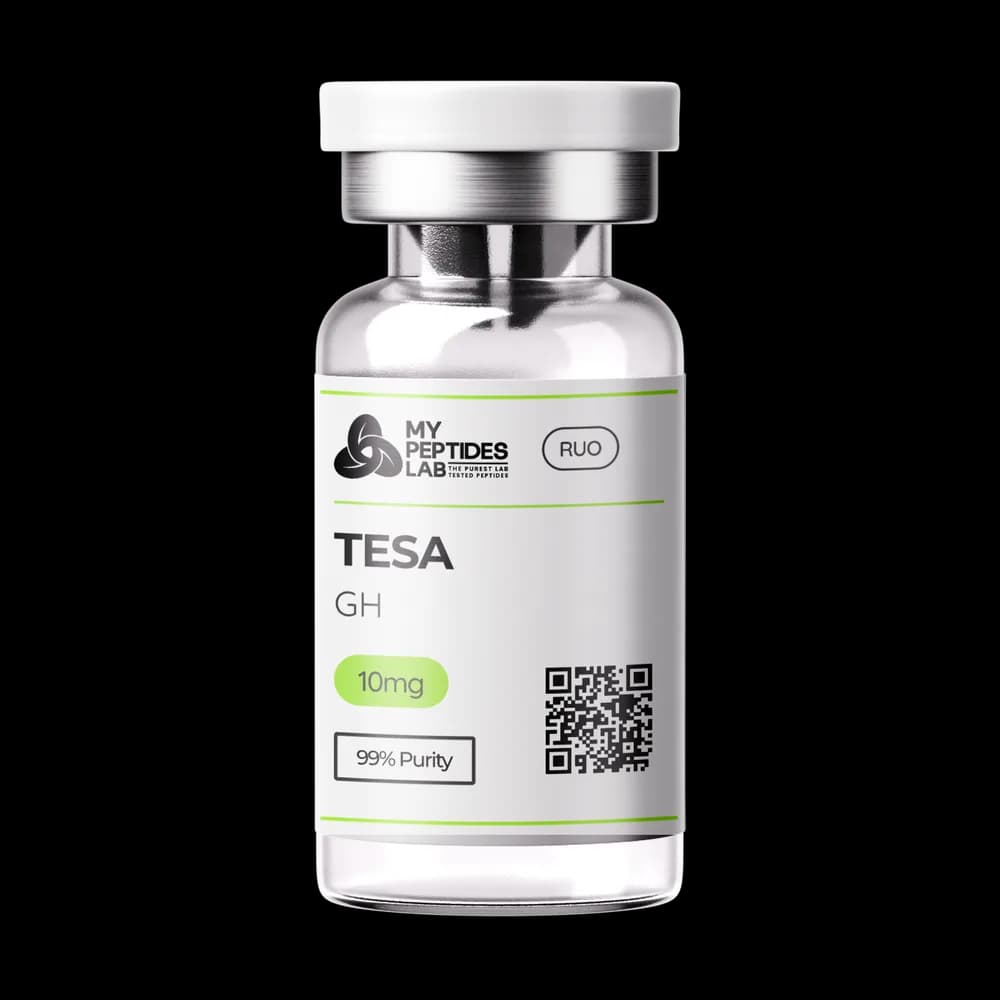
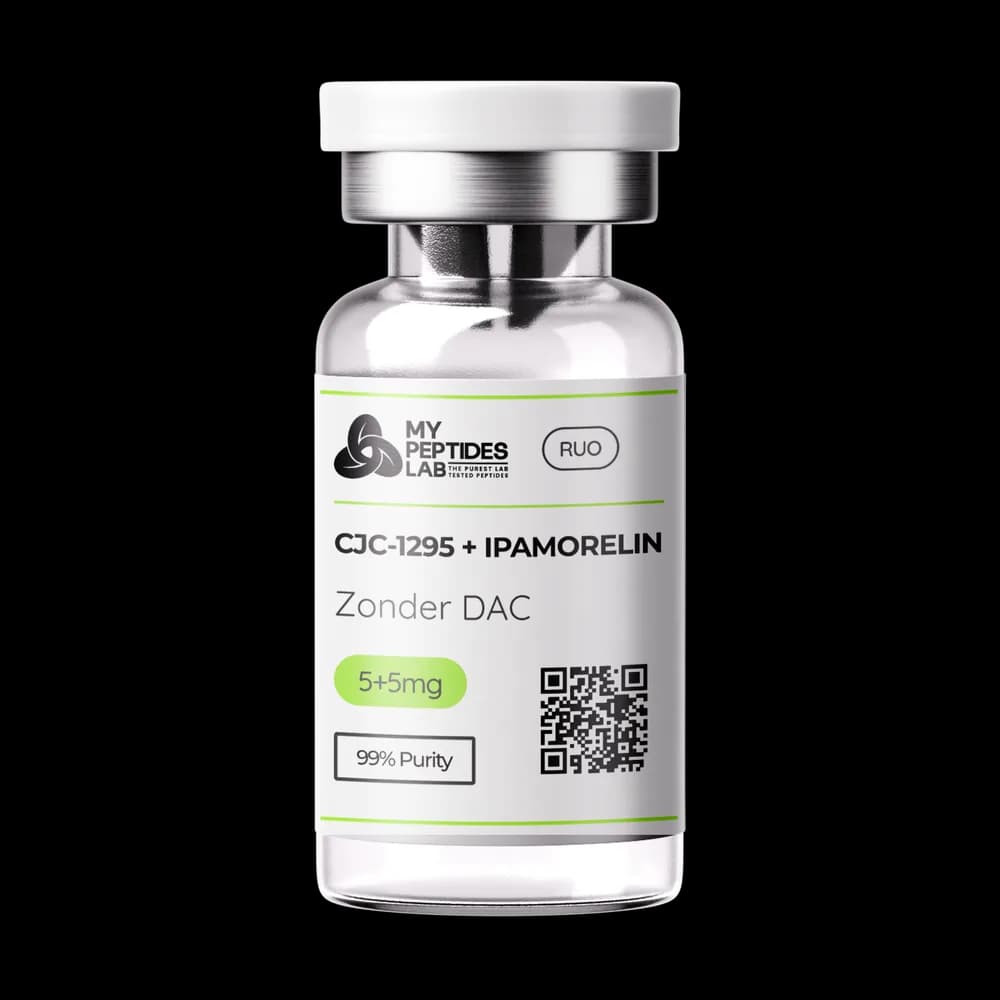
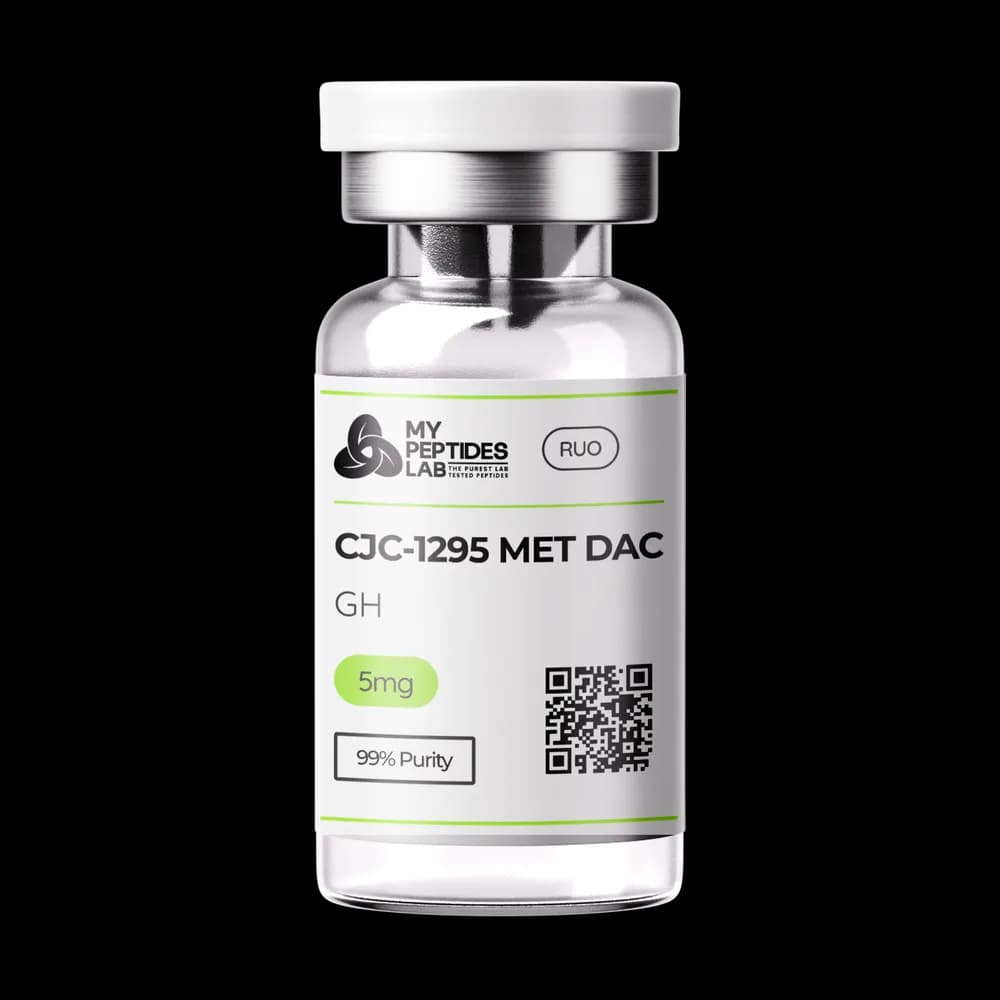
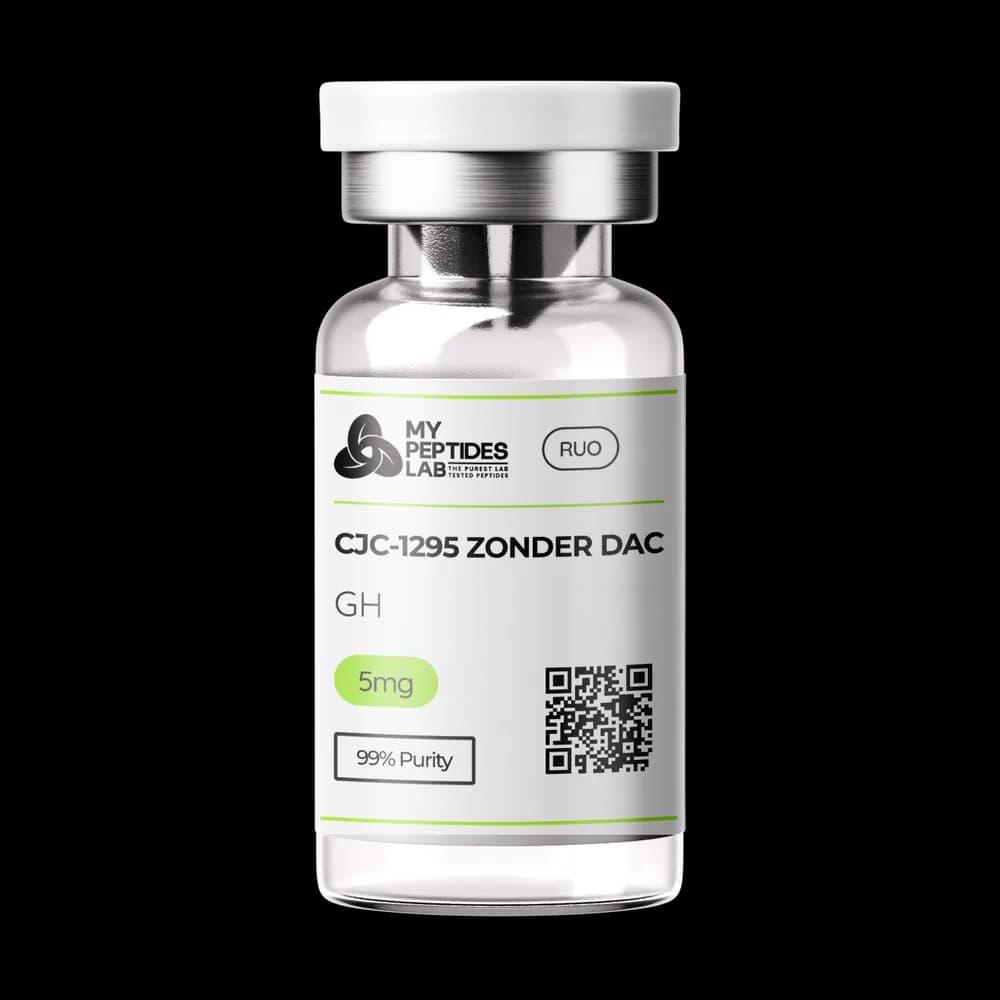
Tesamorelin and CJC-1295 are synthetic analogues of growth hormone-releasing hormone (GHRH), the hypothalamic signal that acts on the GHRH receptor. CJC-1295 comes in two forms. With DAC (Drug Affinity Complex), the peptide carries a linker that binds serum albumin, which extends its half-life considerably in published studies. Without DAC, also known as Modified GRF (1-29), it is the shorter-acting form. CJC-1295 without DAC is also available combined with Ipamorelin as a research blend.
Ghrelin-receptor agonists and related compounds
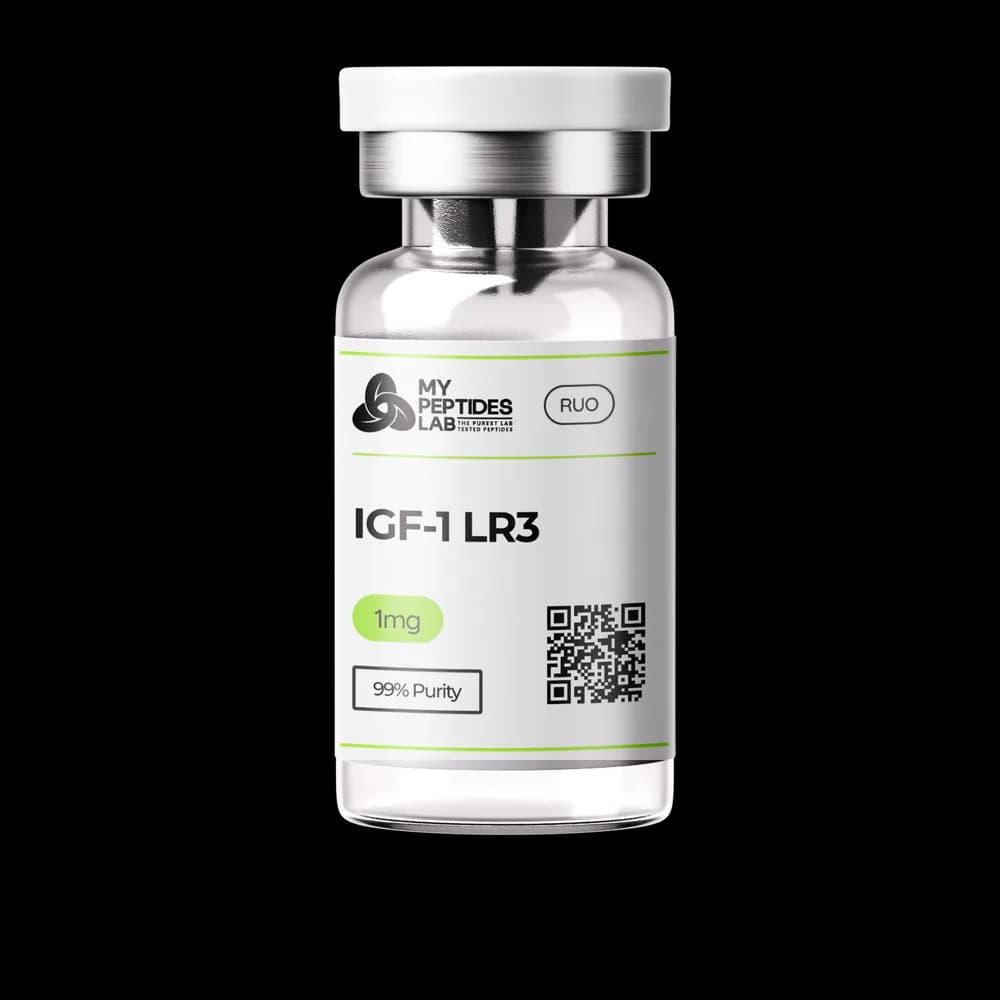
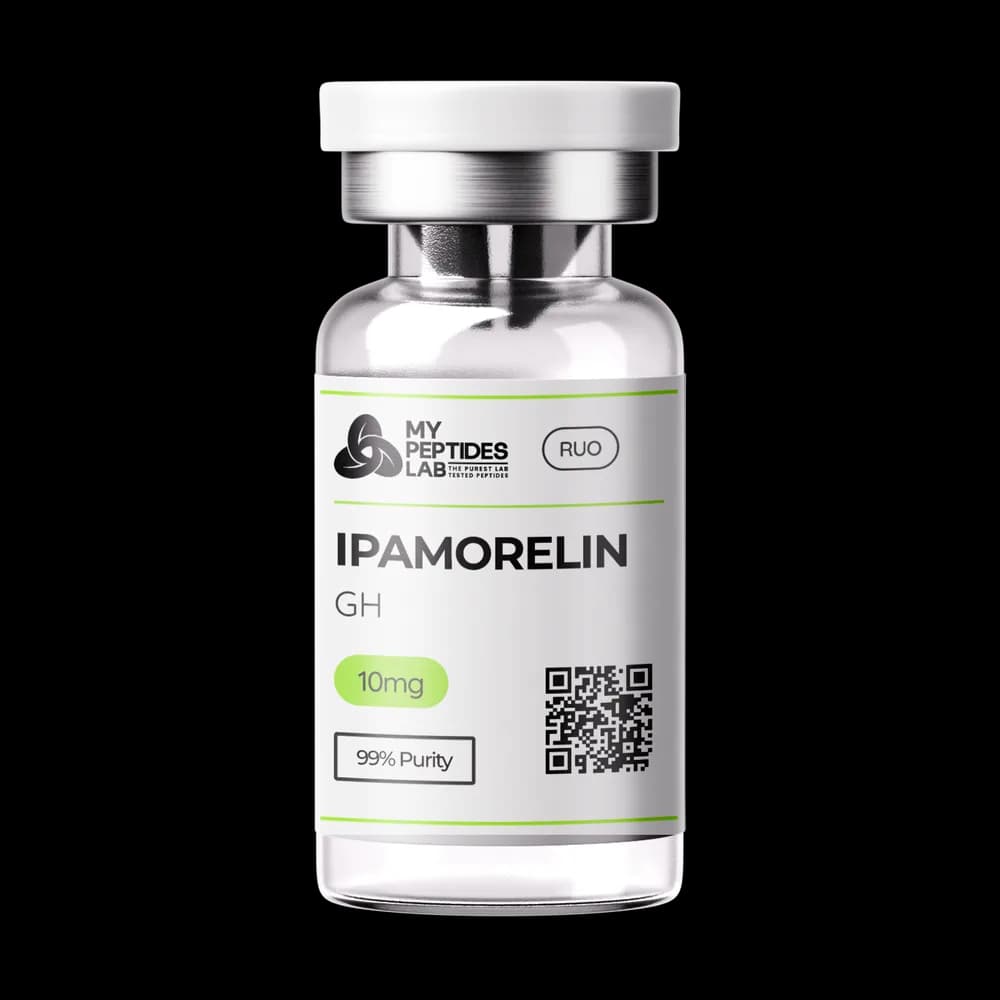
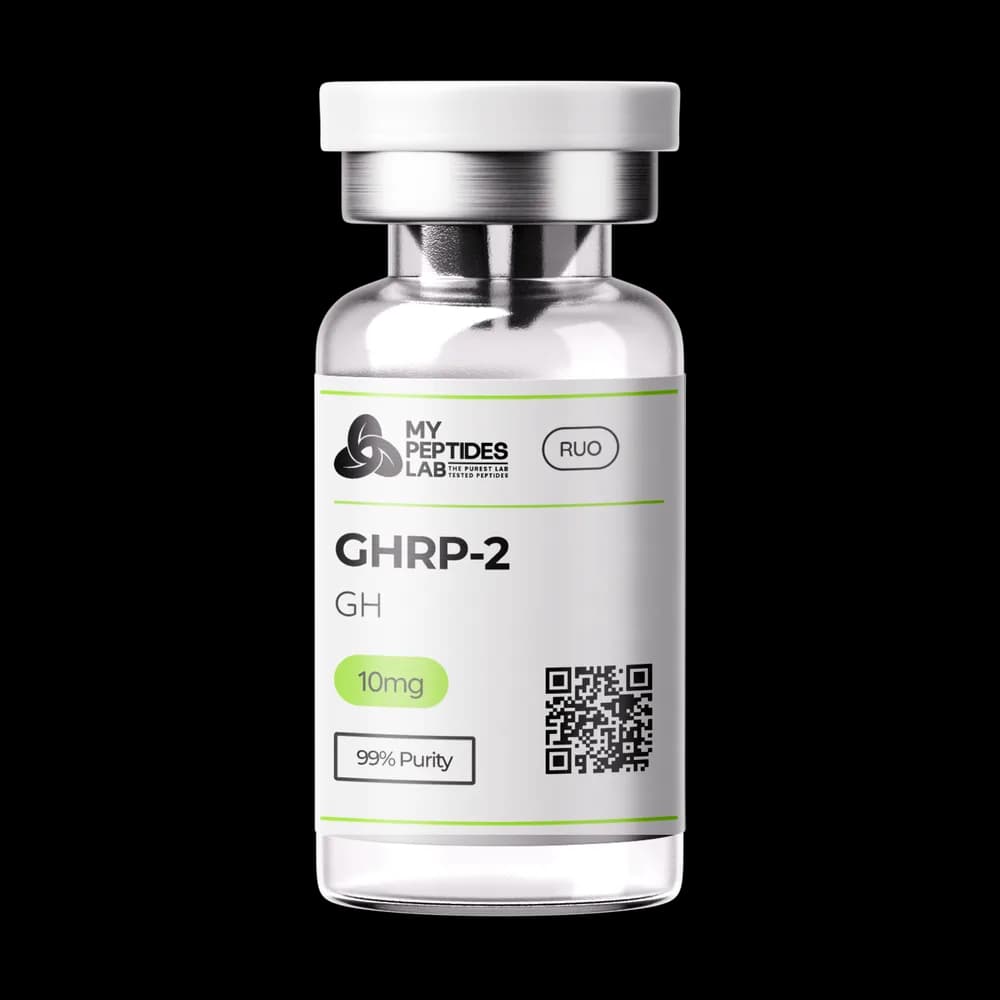
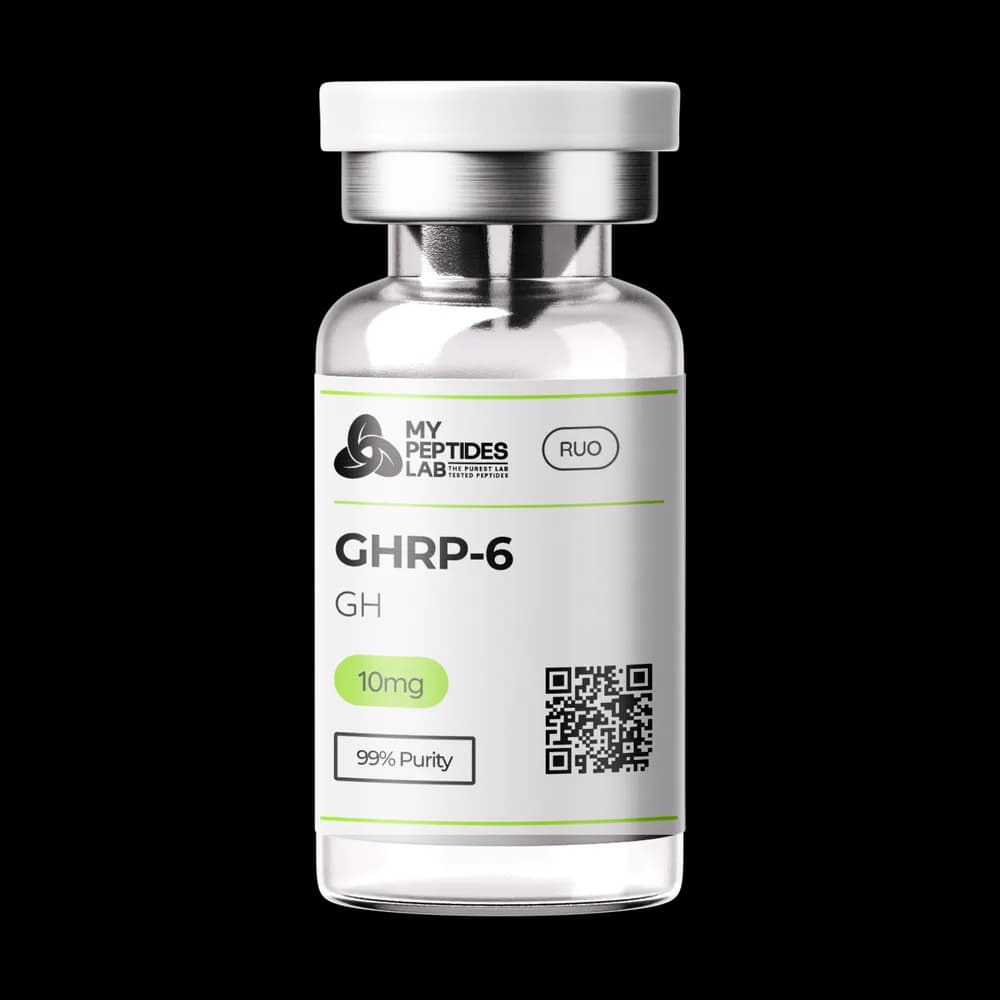
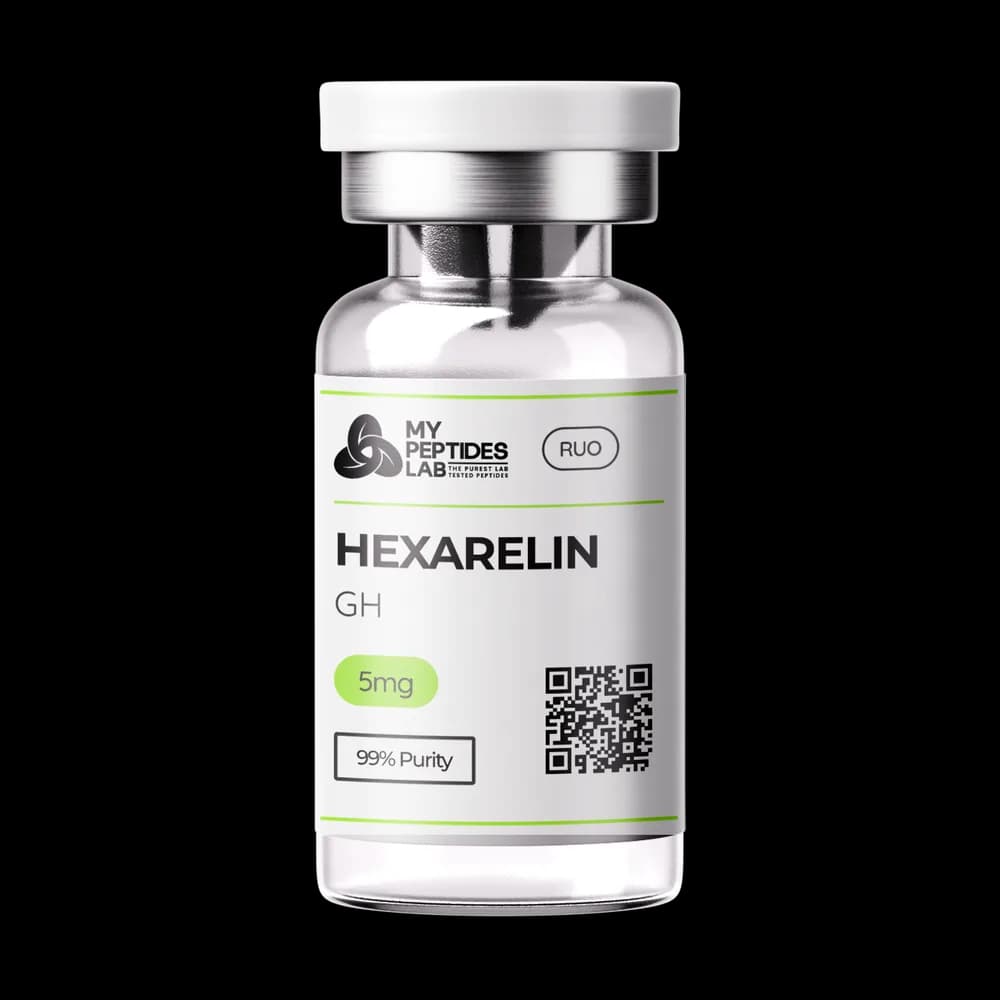
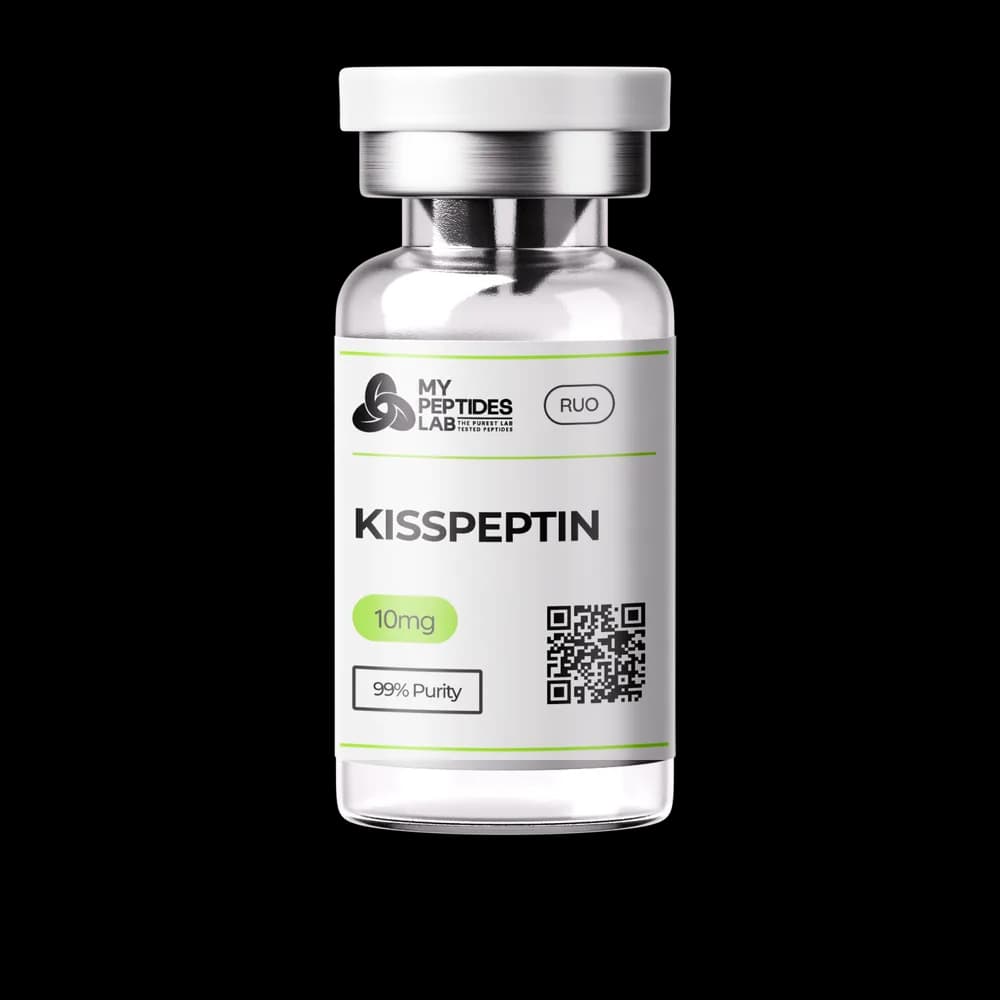
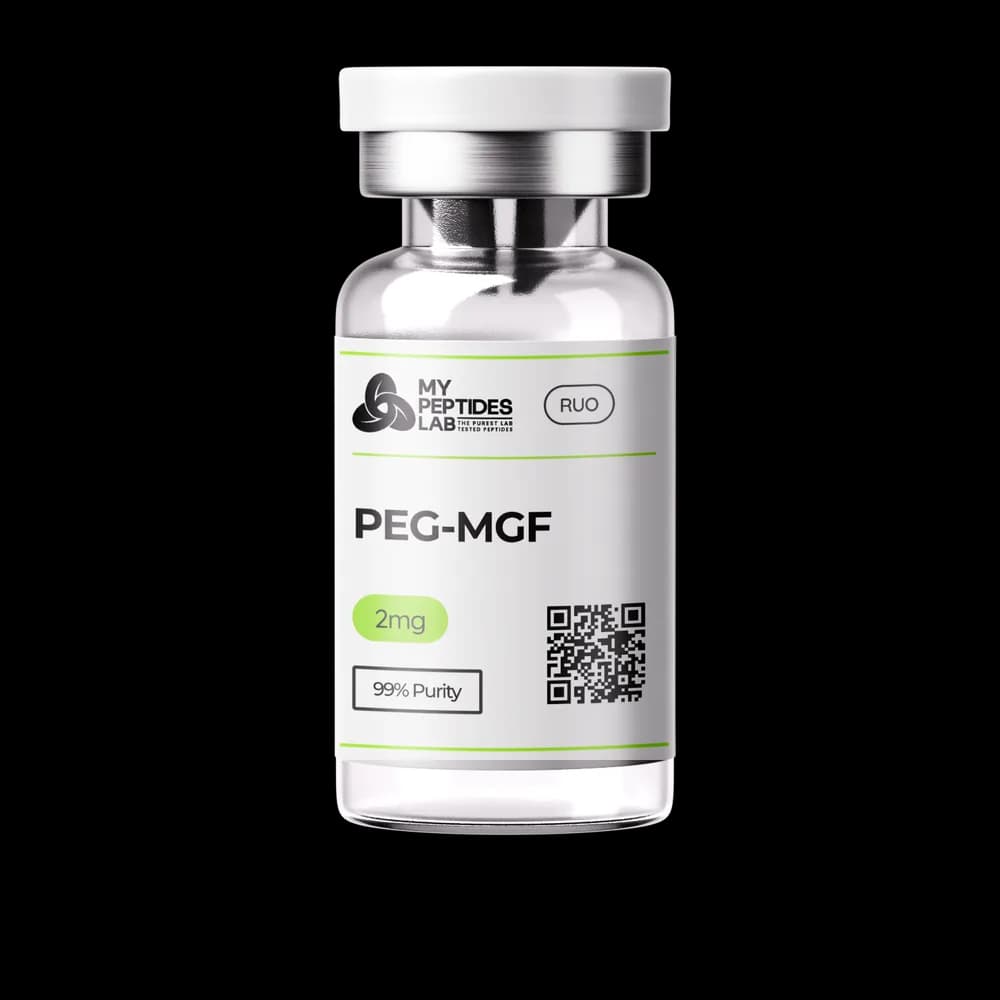
Ipamorelin, GHRP-2, GHRP-6 and Hexarelin act on the growth hormone secretagogue receptor (GHS-R1a), the receptor for the hormone ghrelin. Ipamorelin is a pentapeptide noted in the literature for its selectivity, while GHRP-2, GHRP-6 and Hexarelin are hexapeptides with broader activity profiles. The collection is completed by Kisspeptin, which regulates the reproductive hormone axis, and by the growth factor analogues IGF-1 LR3 and PEG-MGF, which sit downstream of GH.
Tested, documented and shipped from the Netherlands
Batches are analysed by Janoshik, an independent laboratory, for identity and purity. Published reports are on our Lab Results page, and the certificate of analysis for any other batch is available on request. Keep lyophilised vials cold, dry and away from light, and refrigerate them once reconstituted.
Orders placed Monday to Saturday usually leave us within 24 hours of payment. Delivery takes 1 to 2 working days to the Netherlands and Belgium and 3 to 8 working days to the rest of Europe, and orders over €150 ship free. All products are for laboratory research use only and are not for human consumption.